




How Thread, Sequins, and Beads Transform Simple Eastern Dresses
Introduction to Eastern Dresses
Eastern dresses are a captivating blend of tradition, culture, and artistry. These garments hold a special place in fashion due to their intricate designs and cultural significance. From the flowing saris of India to the elegant cheongsams of China, Eastern dresses are renowned for their aesthetic appeal and storytelling.
These garments are more than clothing; they embody history and heritage especially when it comes to bridal dresses. Each piece is crafted with precision, often featuring elaborate embroidery, vibrant colors, and luxurious fabrics. This craftsmanship showcases the artisan’s skill and reflects the cultural narratives embedded in the designs.
The evolution of Eastern dresses highlights the interplay between tradition and modernity. Globalization has introduced contemporary trends while preserving cultural essence, making Eastern dresses a compelling subject for both fashion enthusiasts and cultural historians.

Materials Used in Eastern Dress Design
The materials used in Eastern dress design are as diverse as the cultures they represent. Silk, cotton, and linen are among the most popular fabrics, each selected for its unique properties and suitability for intricate designs. Silk saree, prized for its luster and smooth texture, is often reserved for special occasions, while cotton and linen are favored for their breathability and comfort in everyday wear.
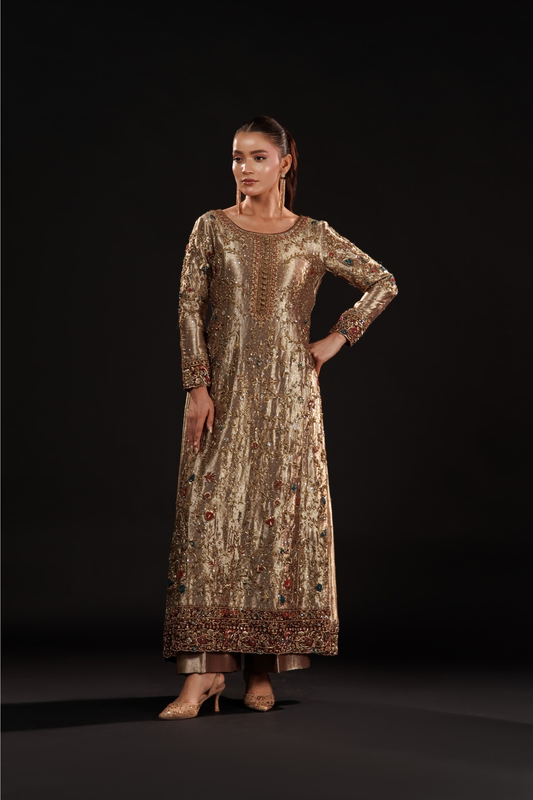
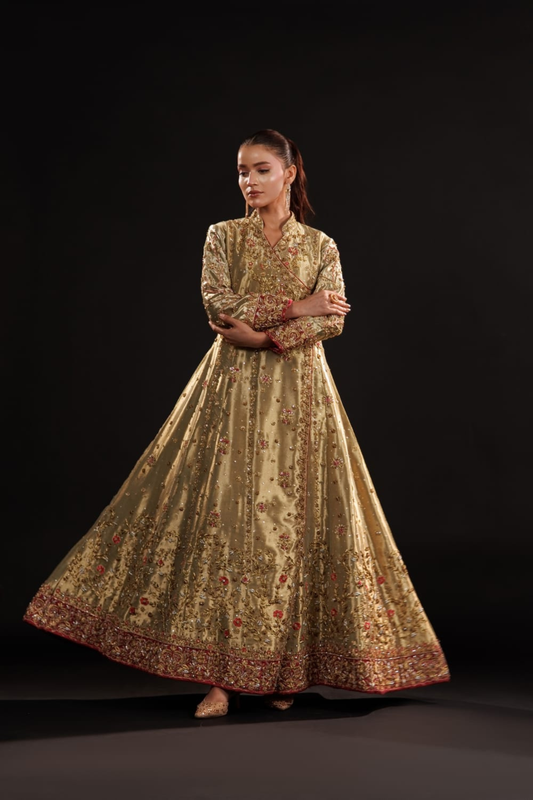
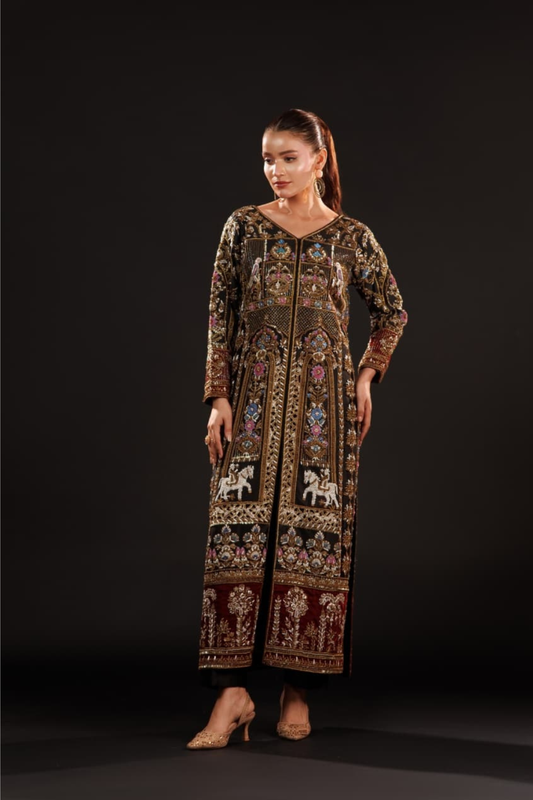
Embellishments play a crucial role in enhancing the beauty of Eastern dresses. Threads, sequins, and beads are meticulously applied to create patterns ranging from simple to elaborate. These details not only add visual appeal but also convey cultural narratives and artistic expression.
Sustainable materials are increasingly being used in Eastern dress design, even for semi formal collections. Designers are choosing eco-friendly fabrics and dyes, reflecting a growing awareness of environmental impact. This focus on sustainability highlights the adaptability and innovation within Eastern fashion while preserving traditional aesthetics.
The Art of Thread Work in Eastern Dresses
Thread work is a cornerstone of Eastern dress design, showcasing the skill and creativity of artisans. This art form involves intricate embroidery techniques that bring life to fabrics, transforming them into works of art. From the delicate zardozi of India to the bold suzani of Central Asia, thread work varies widely across regions.
The techniques used in thread embroidery are diverse, each offering a distinct texture and appearance. Some popular methods include:
-
Zardozi: A form of embroidery using gold and silver threads, often combined with pearls and precious stones.
-
Kantha: A simple running stitch technique used in India and Bangladesh, known for its folk art style.
-
Suzani: Originating from Central Asia, characterized by large, colorful floral motifs.
These techniques require immense skill and patience, as each piece can take weeks or even months to complete. The dedication to detail and craftsmanship is what makes thread work an integral part of Eastern dress design.
Sequins: Adding Sparkle and Glamour
Sequins are a staple in Eastern fashion, adding sparkle and glamour to dresses. These small, shiny discs are sewn onto fabrics to create eye-catching patterns that reflect light and add dimension. In many cultures, sequins symbolize joy and celebration, making them a popular choice for festive attire.

The application of sequins is a meticulous process. Artisans carefully select colors and arrange them in patterns that complement the overall design, ensuring each dress is a unique masterpiece suited to its occasion.
Beyond traditional use, sequins have also entered modern fashion trends. Designers experiment with different sizes and shapes, incorporating sequins into contemporary styles that appeal to a global audience. This fusion of traditional and modern elements highlights the versatility and timeless appeal of sequins in Eastern fashion.
The Role of Beads in Eastern Fashion
Beads play a significant role in Eastern fashion, adding texture, depth, and elegance to dresses. They can be made from glass, metal, wood, or semi-precious stones, with each type contributing a distinct character to the garment.
Traditionally, beads are used to create intricate patterns that carry cultural significance. In some African and Middle Eastern cultures, specific bead patterns indicate social status or tribal affiliation, reflecting heritage and identity.
In contemporary fashion, designers incorporate beads into minimalist and modern designs, creating subtle yet striking effects. This blend of tradition and innovation ensures that beads remain an enduring and versatile element in Eastern fashion.
Transforming Traditional Styles into Modern Trends
The evolution of traditional Eastern styles into modern trends reflects the dynamic nature of fashion. Designers continually innovate while honoring the rich heritage of Eastern dresses, blending tradition with contemporary aesthetics.
A key trend in modern Eastern fashion is the fusion of traditional silhouettes with new cuts and fabrics. Traditional tunics may be paired with western-style trousers, or classic embroidery techniques applied to modern fabrics like denim or leather. This approach gives age-old designs a fresh, relevant appeal.
The global influence of Eastern dresses is also evident in international fashion. Many Western designers draw inspiration from Eastern aesthetics, incorporating embroidery, vibrant colors, and flowing fabrics into their collections. This cross-cultural exchange highlights the timeless and universal appeal of Eastern fashion.
How to Care for and Maintain Eastern Dresses
Proper care and maintenance are essential for preserving the beauty and longevity of Eastern dresses. These garments often feature delicate fabrics and intricate embellishments that require special attention to ensure they remain in pristine condition.

Here are some tips for caring for Eastern dresses:
-
Cleaning: Always follow the care instructions provided by the designer. Many Eastern dresses require dry cleaning to protect the fabric and embellishments. For at-home care, use gentle detergents and cold water to avoid damage.
-
Storage: Store dresses in a cool, dry place, away from direct sunlight. Use padded hangers to maintain the shape of the garment and cover with a breathable garment bag to prevent dust accumulation.
-
Handling: Handle dresses with clean hands to avoid transferring oils and dirt. Be cautious with zippers, buttons, and other fastenings to prevent snagging or tearing.
By following these guidelines, you can ensure that your Eastern dresses remain as stunning as the day they were made, allowing you to enjoy their beauty for years to come.
Conclusion
Eastern dresses are a testament to the artistry and craftsmanship of Eastern fashion, reflecting cultural heritage through intricate designs, sequins, beads, and embroidery. The dedication of artisans in preserving traditional techniques while embracing modern innovations ensures that Eastern fashion continues to evolve and inspire.
Whether you admire traditional attire or seek unique, contemporary styles, Eastern dresses offer a rich and diverse world of fashion where tradition and innovation come together beautifully.