




How specific color palettes directly affect mood and self-confidence
Color is much more than a visual experience; it's a powerful form of communication that can influence mood, convey emotions, and even impact decision-making. The psychology of color examines how different hues affect human behavior and perception. This field of study delves into how specific colors can evoke emotional responses and alter perceptions, making it an invaluable tool in marketing, branding, and personal development.
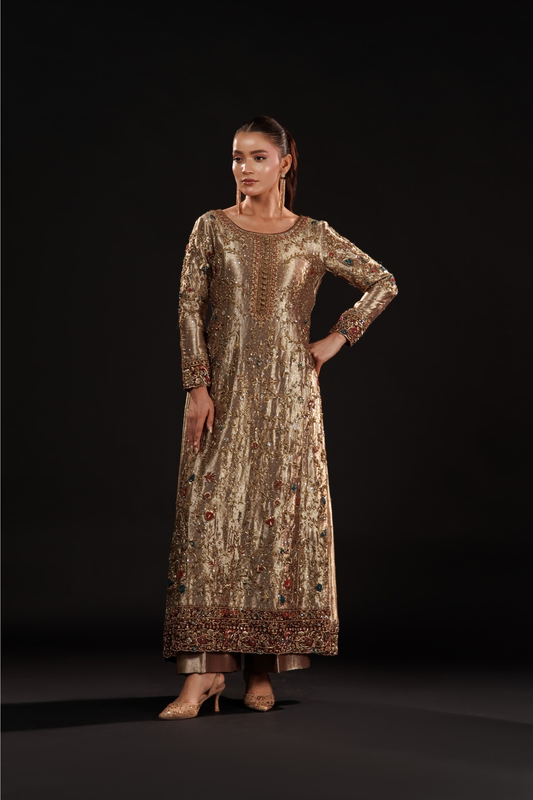
Understanding color psychology can help you harness its power to create environments that enhance your well-being and self-expression. Colors have the unique ability to evoke memories and associations, often subconsciously triggering emotional and physiological responses. By recognizing these connections, you can utilize color to cultivate desired moods and outcomes in various aspects of life. The same idea applies to fashion, where the color of a party wear dress can subtly influence the overall mood and impression of your look.
Incorporating color psychology into your daily routine can transform how you interact with your surroundings. Whether you're choosing an outfit for a job interview or selecting a paint color for your home, being mindful of color psychology can lead to more informed choices that align with your personal and professional goals.
How Color Affects Mood
Colors have a profound impact on your mood and emotions, often influencing how you feel without conscious awareness. Warm colors like red, orange, and yellow are typically associated with energy, warmth, and positivity. Red, for instance, can evoke feelings of passion and excitement, while yellow is often linked to happiness and creativity. These colors can stimulate your mind and uplift your spirits, making them ideal for spaces where energy and activity are desired. In fashion, the right shades can also bring warmth and personality to formal dresses, helping create a confident and vibrant impression.

Conversely, cool colors such as blue, green, and purple are known for their calming and soothing effects. Blue is often associated with tranquility and trust, making it a popular choice for bedrooms and workspaces where focus and relaxation are critical. Green, reminiscent of nature, can promote feelings of balance and renewal, while purple is often linked to luxury and spirituality.
Neutral colors like white, black, and gray serve as stabilizers in the color spectrum. White is often associated with purity and cleanliness, black with sophistication and power, and gray with neutrality and balance. These colors can be used to create a sense of calm and focus, allowing other colors to stand out without overwhelming the senses.
The Connection Between Color and Self-Confidence
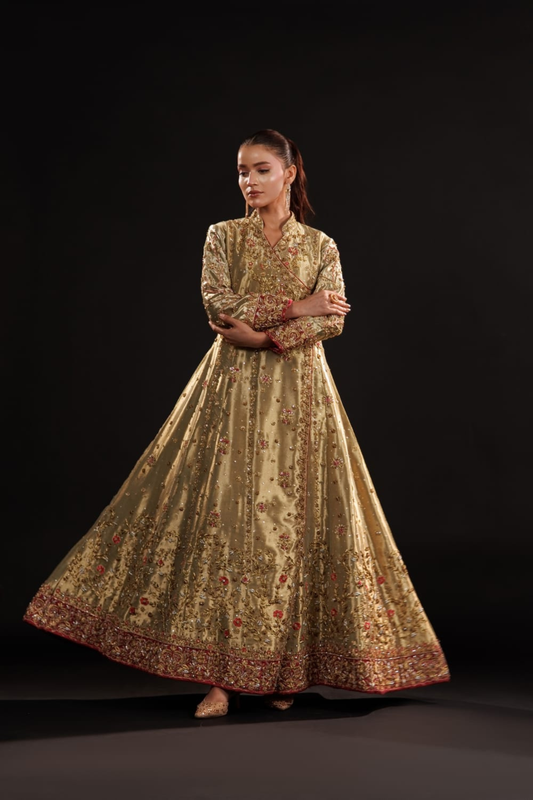
Your choice of color can significantly influence your self-confidence and how others perceive you. Wearing colors that resonate with your personality and goals can boost your self-assurance and enhance your presence. For example, wearing red can make you feel more powerful and assertive, which can be beneficial in situations like presentations or negotiations. The same principle applies to special occasions, where choosing the right shades for a fancy dress for wedding celebrations can help you feel confident and make a memorable impression.
Color can also serve as a form of nonverbal communication, signaling confidence and competence to those around you. Choosing the right color palette for your wardrobe can help you convey the desired message in professional settings. For instance, blue is often perceived as trustworthy and dependable, making it a staple color for business attire.
By understanding the psychological effects of color, you can strategically use it to enhance your self-image and confidence. Whether you're dressing for an important event or creating a personal brand, selecting colors that align with your intentions can reinforce your self-belief and help you make a lasting impression.
Popular Color Palettes and Their Meanings
Color palettes are combinations of colors that create a certain mood or aesthetic. Each palette can convey different messages and emotions, making them a powerful tool in design and branding. Here are some popular color palettes and their meanings:
-
Monochromatic Palette: This palette uses different shades, tones, and tints of a single color. It creates a cohesive and harmonious look that is soothing and elegant. Commonly used in minimalist designs, it emphasizes simplicity and sophistication.
-
Analogous Palette: Consists of colors that are next to each other on the color wheel. This palette is often found in nature and is pleasing to the eye. It’s ideal for creating a serene and comfortable design.
-
Complementary Palette: Involves colors opposite each other on the color wheel, such as blue and orange. This palette is vibrant and high-contrast, perfect for grabbing attention and creating dynamic visuals.
-
Triadic Palette: Uses three colors that are evenly spaced around the color wheel, like red, yellow, and blue. This palette offers a balanced and vibrant look, often used in artistic and playful designs.
Understanding these palettes and their meanings allows you to choose color schemes that align with the message you want to convey, whether in marketing materials, home decor, or personal style.
Using Color in Personal Branding
In personal branding, color plays a crucial role in shaping perceptions and establishing identity. The colors you choose for your brand can communicate your values, mission, and personality, making it essential to select a palette that resonates with your target audience and represents your brand authentically.
When building your personal brand, consider the psychological effects of colors and how they align with your brand's message. For example, if you want to convey trust and reliability, incorporating blue into your logo and marketing materials can be effective. If creativity and innovation are central to your brand, vibrant colors like orange or purple may better reflect your vision.
Consistency in color usage across all branding materials, from your website to social media profiles, strengthens brand recognition and trust. By thoughtfully selecting and consistently using colors that align with your brand's values, you can create a cohesive and memorable brand identity.
Color in Interior Design: Creating Your Ideal Space
Color is a fundamental element in interior design, influencing the atmosphere and functionality of a space. By understanding the psychology of color, you can create environments that support your lifestyle and emotional well-being. Whether you're designing a calming retreat or an energetic workspace, the right color palette can transform a room's mood and purpose.
Start by considering the function of each space and the emotions you wish to evoke. For example, soft blues and greens are ideal for bedrooms and bathrooms, as they promote relaxation and tranquility. In contrast, vibrant colors like red or yellow can energize kitchens and workout areas, where activity and alertness are desired.
Incorporate color through various elements such as paint, furniture, textiles, and accessories. Mixing different shades and textures can add depth and interest to your design. Remember to balance bold and neutral colors to create harmony and avoid overwhelming the senses. By thoughtfully selecting colors that align with your vision, you can create spaces that enhance your quality of life and reflect your personal style.
The Role of Color in Fashion and Personal Style
Fashion is one of the most dynamic forms of self-expression, and color is a powerful tool in creating personal style. Your choice of color in clothing can communicate your mood, personality, and even social status. Understanding how colors interact with each other and your skin tone can help you make fashion choices that enhance your appearance and confidence.

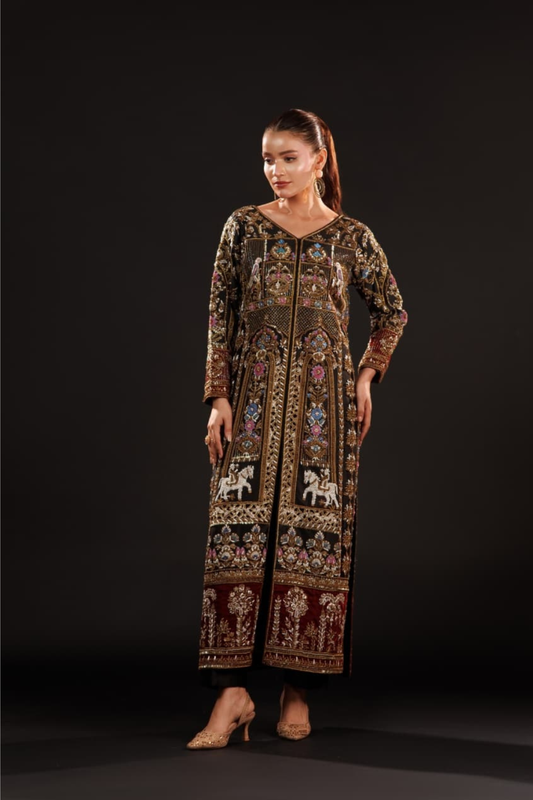
Consider the psychological effects of colors when selecting outfits for different occasions. For example, wearing black can convey sophistication and authority, making it a popular choice for formal events. Conversely, pastels can evoke a sense of playfulness and approachability, suitable for casual and social gatherings.
Experimenting with color in your wardrobe can also boost your confidence and self-awareness. Don't be afraid to mix and match colors to create unique combinations that reflect your individuality. By embracing color in fashion, you can create a versatile wardrobe that adapts to your lifestyle and evolves with your personal growth.
Color Therapy: Healing Through Hues
Color therapy, also known as chromotherapy, is a holistic healing practice that uses colors to balance and enhance physical, emotional, and spiritual well-being. This therapeutic approach is based on the belief that colors can influence energy levels and promote healing by interacting with the body's energy fields.
Each color is associated with specific healing properties and can address various physical and emotional issues. For instance, blue is often used to relieve stress and anxiety, while green is believed to promote healing and balance. Red is thought to invigorate and energize, making it useful for combating fatigue and low energy levels.
Incorporating color therapy into your daily routine can enhance your overall well-being. Simple practices such as meditating with colored lights, wearing clothing in healing hues, or decorating your environment with specific colors can help you harness the therapeutic power of color. By exploring color therapy, you can discover new ways to support your health and emotional balance.
Practical Tips for Incorporating Color into Your Life
Incorporating color into your life can be a transformative experience, enriching your environment and enhancing your well-being. Here are some practical tips to help you embrace color and its positive effects:
-
Wardrobe: Start by adding colorful accessories like scarves, ties, or jewelry to your outfits. Gradually introduce more colorful clothing pieces that reflect your mood and personality.
-
Home Decor: Use colorful throw pillows, rugs, or artwork to add vibrancy to your living spaces. Experiment with accent walls or colorful furniture to create focal points in your home.
-
Work Environment: Introduce color to your workspace through office supplies, desk decor, or plants. This can boost creativity and productivity.
-
Mindfulness Practices: Incorporate color therapy into your meditation or yoga practice by visualizing healing colors or using colored lights.
-
Digital Presence: Use color strategically in your social media profiles, websites, or digital presentations to convey your personal brand and message effectively.
By thoughtfully integrating color into various aspects of your life, you can create a harmonious and inspiring environment that supports your personal and professional goals.
Conclusion: Embracing Color for a Positive Impact
Color is a powerful tool that can influence emotions, perceptions, and behaviors, making it an essential element in various aspects of life. By understanding the psychology of color, you can harness its power to enhance your mood, boost self-confidence, and create environments that reflect your values and aspirations.
Whether you're using color in personal branding, interior design, fashion, or wellness practices, being intentional about color choices can lead to more meaningful and impactful experiences. Embrace the power of color to unlock new opportunities for self-expression and personal growth.