




Why Impulse Fashion Purchases Often Go Unused
Impulse fashion purchases are spontaneous decisions made without prior planning or consideration. These are typically driven by emotional triggers or situational stimuli, such as a sale or an attractive display. While these purchases can provide a temporary thrill, they often lead to regret and clutter in your wardrobe. The allure of new clothing is undeniable, but understanding the underlying factors can help you make more informed decisions.
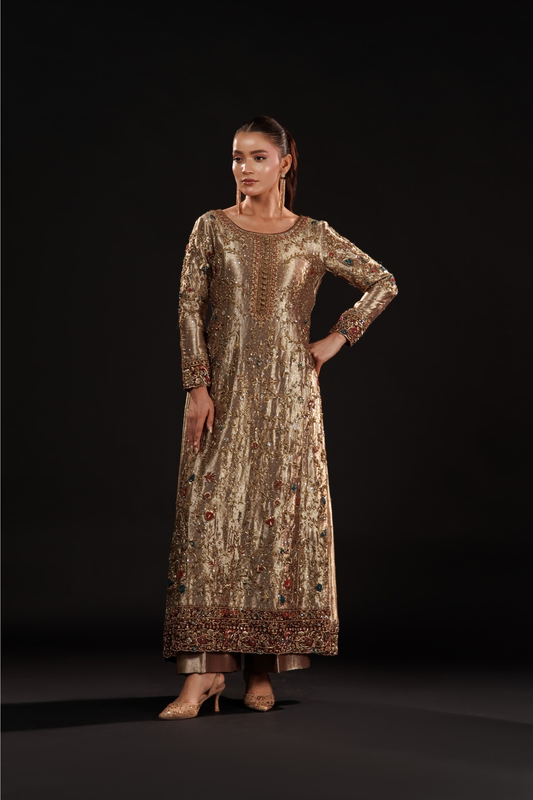
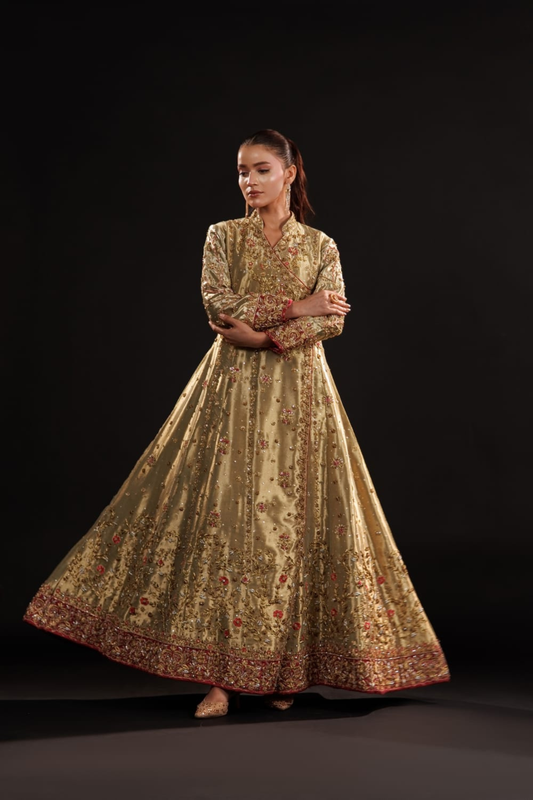
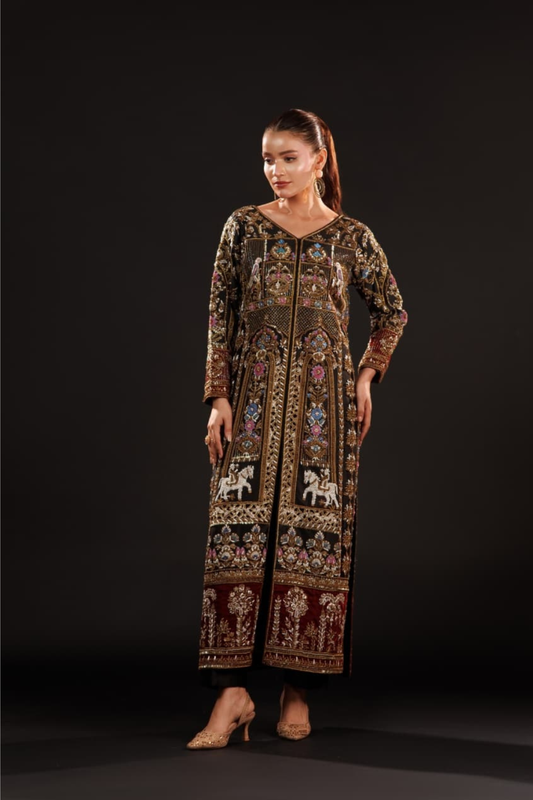
Many people fall into the trap of buying on impulse, especially when fashion trends are constantly evolving. The fast-paced nature of the fashion industry creates a sense of urgency, making you feel that you must buy now or miss out. This urgency is exacerbated by clever marketing tactics designed to create a fear of missing out (FOMO), particularly when browsing trending styles such as Pakistani party wear dresses.
Impulse buying isn't just about lack of control; it involves complex psychological and emotional factors. Recognizing these can empower you to make purchases that truly reflect your personal style and needs.
The Psychology Behind Impulse Buying
Impulse buying is often driven by emotional and psychological factors rather than actual needs. You might feel a sudden urge to purchase a trendy item because it offers a momentary escape from stress or boredom. Retail therapy is a common phenomenon where shopping is used as a coping mechanism, providing a temporary boost in mood.

The brain’s reward system plays a significant role in impulse buying. When you make a purchase, dopamine is released, creating a feeling of pleasure. This sensation can be addictive, leading you to repeat the behavior to experience the same emotional high. Consequently, this can result in a cycle of purchasing items that are never actually worn.
Moreover, societal and peer pressures can contribute to impulse buying. The need to conform or impress others can drive you to make purchases that don't align with your true preferences or lifestyle. For example, seeing others choose trendy bridal shower dresses may create pressure to make a similar purchase, even when it doesn't align with your personal preferences or needs. Understanding these influences can help you break free from the cycle of impulse buying.
The Cost of Unused Fashion Purchases
Unused fashion purchases represent a significant financial burden. Each piece of clothing that hangs unworn in your closet is a testament to money that could have been better spent elsewhere. On average, consumers waste hundreds of dollars annually on clothing they never wear, leading to a cluttered wardrobe and unnecessary expenditure.
Beyond the immediate financial cost, there’s also the opportunity cost. The money spent on impulse buys could be used for saving or investing, contributing to long-term financial goals. Recognizing the true cost of these purchases can encourage more thoughtful spending habits.
Furthermore, the emotional cost of unused purchases should not be overlooked. Seeing items that you've never worn, whether it's a trendy outfit or a saree, can lead to feelings of guilt or shame, perpetuating a negative cycle. By understanding and addressing the root causes of impulse buying, you can reduce these negative emotions and make more intentional fashion choices.
Common Reasons for Impulse Purchases
Several common reasons drive impulse purchases. Sales and discounts are primary triggers; the allure of a good deal can be hard to resist, even if the item isn't needed. The limited time offers create a sense of urgency, compelling you to make hasty decisions.
Another reason is the desire for instant gratification. In a society that values quick results, the immediate pleasure derived from buying something new can be very appealing. This is often at odds with long-term satisfaction, as the initial excitement fades quickly if the item doesn’t fit your lifestyle.
Social influences also play a significant role. Seeing peers or influencers wearing certain trends can lead you to make purchases simply to fit in or gain approval. This herd mentality can cause you to overlook your personal style and make purchases that don't align with your true preferences.
How Impulse Purchases Affect Your Wardrobe
Impulse purchases can lead to a cluttered wardrobe filled with items that don't suit your style or needs. This clutter can make it difficult to find and use the clothes you truly love, leading to frustration and inefficiency. A disorganized wardrobe often results in wearing the same few outfits repeatedly, as finding alternatives becomes overwhelming.
Furthermore, impulse buys often lack versatility. Trend-driven pieces may not pair well with your existing wardrobe, making them difficult to integrate into your daily outfits. This lack of cohesion can limit your styling options and reduce the overall utility of your wardrobe.
The cumulative effect of impulse buying can also hinder your ability to develop a cohesive personal style. When your wardrobe is filled with disparate items purchased on a whim, it becomes challenging to create a consistent look. Taking a more intentional approach to fashion can help you curate a wardrobe that reflects your unique style and meets your needs.
The Environmental Impact of Fast Fashion
Fast fashion, driven by impulse purchases, has significant environmental consequences. The production of cheap, trendy clothing often involves unsustainable practices, including excessive water usage and harmful chemical processes. These practices contribute to pollution and resource depletion, impacting ecosystems globally.
Additionally, the short lifespan of fast fashion items exacerbates the problem. Many clothes are discarded after only a few wears, leading to immense textile waste. Landfills are overwhelmed with clothing that could take centuries to decompose, releasing methane and other greenhouse gases in the process.

By reducing impulse purchases and opting for more sustainable fashion choices, you can help mitigate these environmental impacts. Supporting brands that prioritize ethical production and sustainable materials is a step towards more responsible consumption.
Strategies to Avoid Impulse Buying
Avoiding impulse buying requires awareness and proactive strategies. One effective method is to implement a 24-hour rule: wait a day before making a purchase to determine if it’s a need or just a fleeting desire. This pause can help you evaluate the item's usefulness and alignment with your wardrobe.
Creating a shopping list and sticking to it can also reduce impulse purchases. By defining what you truly need, you can avoid distractions and focus only on items that enhance your wardrobe. Prioritize quality over quantity, seeking pieces that are versatile and timeless.
Another strategy is to set a budget for fashion purchases. By allocating a specific amount each month, you can control spending and make more mindful decisions. Regularly reviewing your wardrobe and identifying gaps can also guide your purchasing choices, helping you build a cohesive and functional collection.
Understanding the Role of Marketing in Impulse Purchases
Marketing plays a crucial role in impulse buying, using tactics designed to capture your attention and prompt immediate action. Sales, limited-time offers, and strategic placement of products can create a sense of urgency that encourages impulsive decisions. Recognizing these tactics can empower you to resist their influence.
Social media marketing is particularly influential, with influencers and sponsored posts showcasing the latest trends. These platforms create a curated image of perfection, leading you to believe that purchasing certain items will enhance your lifestyle. Being aware of this can help you critically evaluate whether a purchase aligns with your personal values and needs.
Additionally, understanding the psychology behind color, placement, and messaging in advertisements can help you become a more discerning consumer. By identifying marketing strategies, you can make choices based on your genuine preferences rather than external pressures.
Tips for Making Thoughtful Fashion Purchases
Making thoughtful fashion purchases involves a shift in mindset from quantity to quality. Focus on building a wardrobe filled with versatile pieces that you can mix and match for various occasions. Choose classic styles that stand the test of time rather than fleeting trends that quickly go out of fashion.
Consider the material and craftsmanship of clothing items. Investing in well-made garments can offer better longevity and comfort, ultimately saving money and reducing waste. Research brands that prioritize ethical and sustainable practices, supporting companies that align with your values.
Before purchasing, ask yourself if the item complements your existing wardrobe and lifestyle. Consider its potential for multiple wears and how it reflects your personal style. By taking these factors into account, you can make informed decisions that lead to a more cohesive and functional wardrobe.

Conclusion: Making Informed Fashion Choices
Impulse fashion purchases are often driven by complex psychological and societal factors. Understanding the reasons behind these purchases can help you make more informed and intentional fashion choices. By recognizing the cost—both financial and environmental—of unused clothing, you can adopt strategies to reduce impulse buying.
Empower yourself to make decisions that align with your personal style, financial goals, and ethical values. Shift your focus to quality, sustainability, and thoughtful consumption. By doing so, you not only enhance your wardrobe but also contribute to a more sustainable and mindful fashion industry.