




Why Texture Matters More Than Color in Fashion
In the ever-evolving world of fashion, the importance of texture is often overlooked in favor of more vibrant visual elements like color. While color can be a powerful tool in your wardrobe, texture offers a unique depth and richness that color alone cannot achieve. Texture refers to the surface quality of a fabric, which can be smooth, rough, soft, or coarse. This tactile element adds dimension to clothing, making garments not only visually appealing but also engaging to the touch.
Understanding texture in fashion allows you to elevate your style beyond the basics. When you incorporate texture into your outfits, you create a more dynamic and interesting look. This is due to the way texture interacts with light, shadow, and movement, providing a fuller visual experience. Whether you're styling everyday wear or a fancy dress for girls, the thoughtful use of textures—such as velvet, tulle, lace, or denim—plays a crucial role in expressing personal style and creating a memorable look.
Moreover, texture can influence how a garment is perceived in terms of formality and seasonality. For instance, a woolen coat immediately suggests warmth and winter, while a linen shirt evokes a sense of breezy summer days. By mastering the use of texture in your wardrobe, you can transform simple outfits into statements of sophistication and elegance.
The Role of Texture in Style and Design
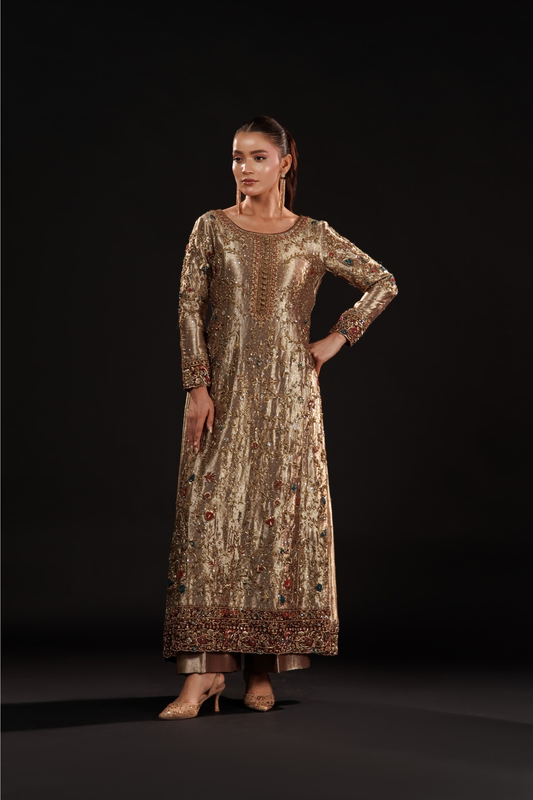
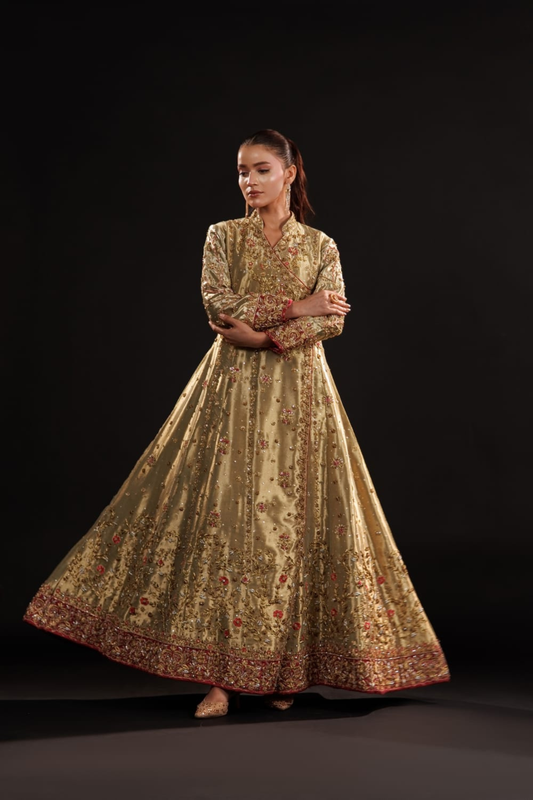
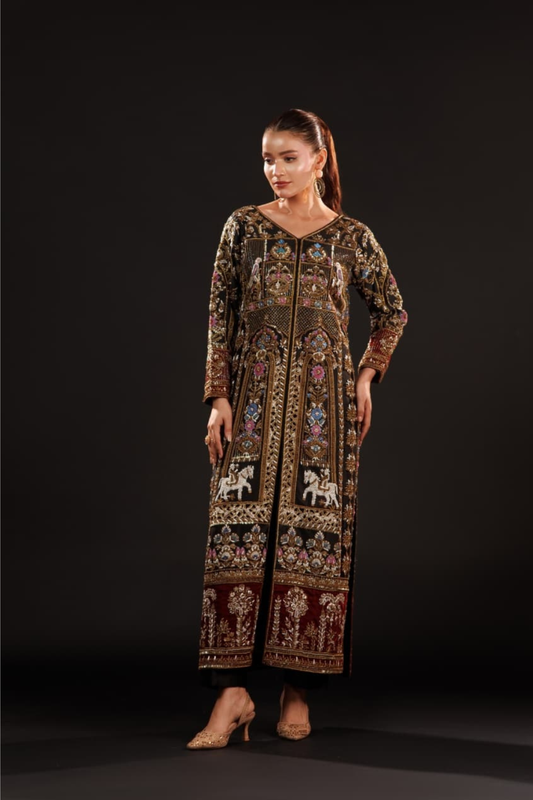
Texture is a fundamental element in both style and design, serving as a bridge between the visual and the tactile. In fashion, designers use texture to convey mood, create contrast, and highlight specific areas of a garment. This not only enhances the aesthetic appeal but also adds layers of meaning to the clothing. These principles are especially important when designing formal dresses, where the interplay of fabrics can elevate the elegance and sophistication of the overall look. For example, combining a knitted sweater with a sleek leather skirt can create a balanced outfit that is both cozy and edgy.
Texture also contributes to the overall harmony of an ensemble. It can either unify or differentiate pieces within an outfit, depending on the desired effect. Textures like lace, brocade, and silk often impart a sense of luxury and sophistication, making them ideal for formal occasions. On the other hand, textures such as denim, cotton, and jersey are more casual and versatile, suitable for everyday wear.

Incorporating texture into design involves thoughtful consideration of how different materials interact. The juxtaposition of textures can create visual interest and keep your look from appearing flat or monotonous. These styling techniques are especially effective when selecting a designer saree, where the combination of fabrics, embroidery, and embellishments adds elegance and depth. By layering various textures, you can enhance dimension in your overall style, making your outfits not only look but also feel more intriguing.
How Texture Enhances Outfits
Texture is a powerful tool in elevating the overall look and feel of an outfit. It has the unique ability to transform simple pieces into complex, visually engaging ensembles. When you use texture strategically, you can highlight specific elements of your outfit, drawing attention to areas you wish to emphasize. For instance, a textured belt can define the waist, or a pair of suede boots can add a touch of sophistication to a casual look.
The interplay of different textures can also create movement within an outfit, making it more dynamic. Fabrics with varying textures catch the light differently, which can enhance the silhouette and add a sense of depth. This is particularly useful in monochromatic outfits where color contrast is minimal, allowing texture to take center stage and add interest.
Moreover, texture can introduce an element of surprise or intrigue to an outfit. Mixing unexpected textures, such as pairing a leather jacket with a lace dress, can create a striking contrast that captures attention. This approach not only showcases creativity but also demonstrates a keen understanding of fashion nuances. By experimenting with texture, you can express individuality and creativity in your styling choices.
The Psychology of Texture in Fashion
The psychological impact of texture in fashion is profound, influencing not only how you perceive clothing but also how you feel when wearing it. Texture can evoke emotions and associations, playing a significant role in the way clothing is experienced. For example, soft textures like cashmere and silk are often associated with comfort and luxury, inducing a sense of relaxation and well-being.
Moreover, texture can affect the perception of a garment's quality and value. Fabrics with intricate textures or those that feel substantial to the touch often convey a sense of high quality and craftsmanship. This perception can impact your confidence and how you present yourself in social or professional settings. Wearing textured clothing can make you feel more put-together and sophisticated, enhancing your overall presence.
Texture also interacts with personal preferences and cultural influences. Various cultures attach different meanings to specific textures, which can influence your choices and preferences. By understanding the psychological implications of texture, you can make more informed decisions about your wardrobe, choosing pieces that align with your personal style and the image you wish to project.
Comparing Texture and Color: Why Texture Wins
While color is often considered the primary element of fashion, texture arguably offers more versatility and depth. Color can be bold and eye-catching, but it is texture that provides the richness and complexity that elevate an outfit. Texture engages multiple senses, offering not only visual appeal but also a tactile experience that color alone cannot replicate.
One of the main advantages of texture over color is its ability to convey subtlety and nuance. While a bright color can make a statement, it may not always be appropriate for every occasion. Texture, on the other hand, can add interest and sophistication without overpowering an ensemble. This makes it an invaluable tool for creating outfits that are both elegant and understated.
Furthermore, texture has the unique ability to transform the same color into various styles. A black velvet dress can look entirely different from a black cotton one, simply due to the change in texture. This versatility allows you to build a diverse wardrobe without relying solely on color variations. By focusing on texture, you can create a more versatile and timeless collection of clothing.
Key Textures to Incorporate in Your Wardrobe
Incorporating a variety of textures into your wardrobe can significantly enhance your style. Here are some key textures to consider:
-
Velvet: Luxurious and soft, velvet is perfect for adding a touch of elegance to evening wear. Its rich texture catches the light beautifully, making it a standout choice for formal events.
-
Denim: A versatile staple, denim adds a casual, rugged texture to any outfit. It's easy to pair with other materials and works well for both casual and semi-formal looks.
-
Lace: Delicate and intricate, lace offers a romantic and feminine touch. It can be used to soften an outfit or add a layer of complexity.
-
Leather: Bold and edgy, leather provides a sleek, polished texture that is ideal for outerwear and accessories. It's a great way to add a rebellious streak to your style.
-
Knit: Comfortable and cozy, knit textures are perfect for layering and keeping warm. They add a relaxed, approachable vibe to any ensemble.
-
Silk: Smooth and luxurious, silk is a timeless choice for blouses and dresses. It drapes beautifully and adds a touch of sophistication to your wardrobe.
By mixing and matching these textures, you can create outfits that are not only visually interesting but also engaging to wear.
The Impact of Texture on Fashion Trends
Texture plays a significant role in shaping fashion trends, often dictating the materials and styles that become popular. Designers frequently experiment with texture to create innovative designs that capture the imagination of fashion enthusiasts. Texture can redefine classic styles, bringing a fresh perspective to traditional silhouettes.

In recent years, there has been a growing trend towards textured fabrics as consumers seek more sustainable and tactile experiences in fashion. Natural textures such as organic cotton, wool, and hemp are gaining popularity due to their environmental benefits and unique feel. This shift reflects a broader movement towards ethical fashion and a desire for authenticity in clothing.
Additionally, texture trends often emerge as a response to cultural and societal changes. In times of economic uncertainty, for example, people may gravitate towards comforting textures like knits and fleece. Conversely, in periods of optimism, bold textures like sequins and metallics may dominate runways. By staying attuned to texture trends, you can keep your wardrobe current and reflective of the times.
Tips for Mixing Textures Effectively
Mixing textures can elevate your style, but it requires a keen eye to ensure harmony and balance. Here are some tips to help you master the art of combining textures:
-
Start with Neutrals: Begin by mixing textures in neutral colors to avoid overwhelming your look. Neutrals allow the textures themselves to stand out without clashing.
-
Balance Proportions: Ensure that the textures you mix are balanced in terms of weight and volume. Pair heavy textures like wool with lighter ones such as silk to create a balanced outfit.
-
Use Accessories: Incorporate textured accessories like bags, shoes, and scarves to add depth without committing to a fully textured outfit. This approach allows for subtle experimentation.
-
Limit to Three Textures: To maintain a cohesive look, limit your outfit to three different textures. This prevents the ensemble from appearing chaotic and ensures that each texture has its moment to shine.
-
Consider the Occasion: Tailor your texture choices to the occasion. Formal events may call for luxurious textures like velvet, while casual outings might be better suited to denim or cotton.
By following these tips, you can confidently experiment with textures and create outfits that are both stylish and sophisticated.
Conclusion: Embracing Texture for a Unique Style
Texture is an indispensable element of fashion that can elevate your style and add depth to your wardrobe. By understanding and utilizing texture, you can create outfits that are visually intriguing and uniquely expressive. Whether you're dressing for a formal event or a casual day out, texture offers endless possibilities for creativity and experimentation.
As you explore the world of fashion, embrace texture as a key component of your personal style. Don't be afraid to mix and match different materials, experiment with unexpected combinations, and let texture tell your fashion story. With texture, you have the power to transform the ordinary into the extraordinary, making every outfit a true reflection of your individuality.