
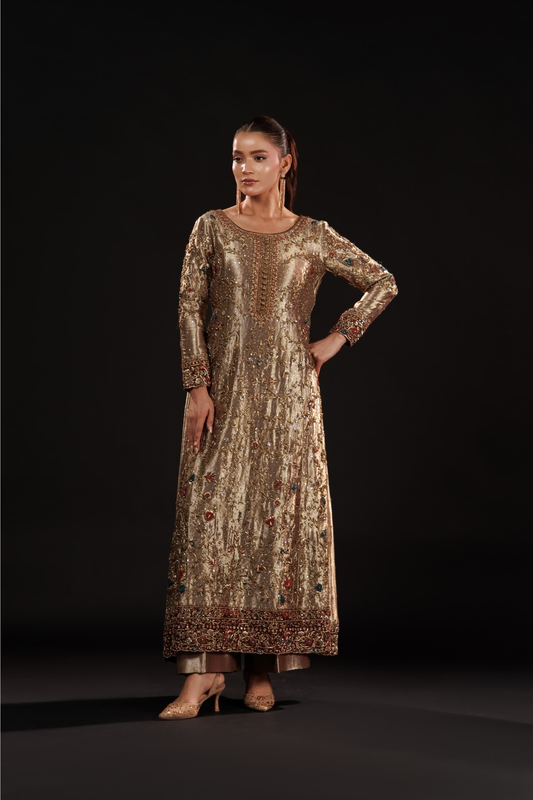

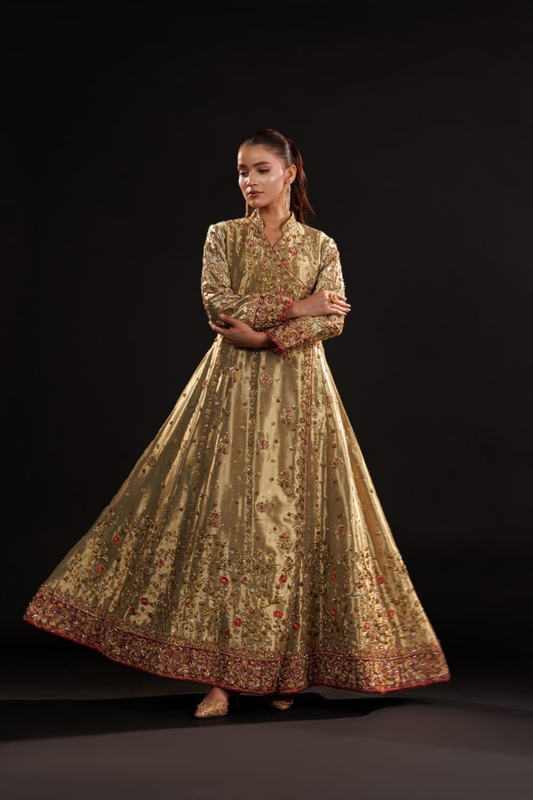

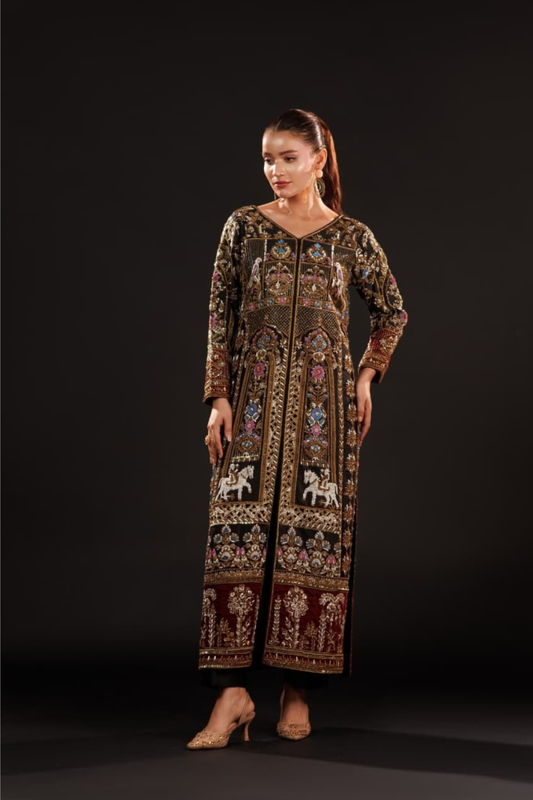


What defines "fancy clothes" across different cultures and event types
Fancy clothes are more than just garments; they are a profound expression of identity, culture, and social standing. As you delve into the world of elaborate attire, you begin to understand how these outfits play a crucial role in various societies. They embody not only personal taste but also cultural heritage and historical narratives.
In many cultures, fancy clothing, from a fancy party wear dress to traditional ceremonial garments, is reserved for special occasions, marking milestones such as weddings, religious ceremonies, or significant festivals. These garments are often rich in symbolism, with colors, patterns, and materials carefully chosen to convey specific meanings or affiliations. Understanding these nuances can enhance your appreciation of diverse cultural expressions through fashion.
Moreover, the significance of fancy clothing extends beyond personal expression to influence societal dynamics. These garments can signify status, power, or belonging, often serving as a visual language understood by many. As you explore the world of fancy attire, you'll discover how these elements combine to form a vibrant tapestry of global fashion.
The Cultural Variations in Fancy Clothing Around the World
Around the globe, cultures have developed unique styles of fancy clothing, from a simple party wear dress to richly embroidered ensembles, each reflecting distinct traditions and values. For instance, in India, a sari or sherwani can symbolize elegance and festivity. These garments are often adorned with intricate embroidery and vibrant colors, reflecting the rich cultural tapestry of the region.

In contrast, traditional Japanese attire includes the kimono, a garment that exudes simplicity and grace. Kimonos are often crafted from luxurious silk and feature delicate designs that tell stories of nature and history. Wearing a kimono is not merely about fashion; it is about embracing centuries of tradition and cultural identity.
Similarly, in Western cultures, formal wear such as tuxedos, evening gowns, and timeless formal dresses for women has evolved over time, with influences from various historical periods. These styles often emphasize sophistication and class, using high-quality fabrics and precise tailoring. Understanding these cultural variations allows you to appreciate the diverse ways in which fancy clothing can convey meaning and significance.
Event-Specific Styles: Dressing for Different Occasions
When it comes to dressing for specific events, the choice of attire can vary significantly depending on the occasion. Recognizing the appropriate style for each event ensures that you not only look the part but also adhere to cultural and social expectations.
1. Weddings: A wedding is often a grand affair, with attire reflecting the joyous nature of the celebration. In many cultures, brides don elaborate dresses or traditional garments, while guests wear formal or semi-formal attire. The importance of color, style, and embellishments can vary, with some cultures favoring bright hues and others opting for more subdued tones.
2. Religious Ceremonies: These events often require attire that adheres to specific religious guidelines. Modesty and respect are key, with clothing choices reflecting the solemnity of the occasion. For example, in many Islamic cultures, women may wear hijabs or abayas, while men might choose traditional robes.
3. Formal Galas and Balls: These events call for the most sophisticated attire, such as evening gowns and tuxedos. The focus is on elegance and refinement, with many attendees opting for designer labels and luxurious fabrics. Accessories play a crucial role in completing the ensemble, with jewelry, shoes, and handbags chosen to complement the outfit.
Understanding the nuances of event-specific styles ensures that you are appropriately dressed for any occasion, respecting both cultural traditions and modern trends.
The Role of Fabrics and Materials in Fancy Clothing
Fabrics and materials are fundamental to the creation of fancy clothing, significantly influencing the garment's appearance, comfort, and cultural significance. The choice of fabric can convey luxury, practicality, or traditional values, each serving a unique purpose in the realm of fancy attire.
Silk is often associated with luxury and elegance, commonly used in high-end fashion and traditional garments like the sari or kimono. Its smooth texture and sheen make it a popular choice for formal occasions, where visual impact and comfort are paramount. Silk's rich history and cultural significance are evident in many societies, where it symbolizes wealth and status.
Conversely, materials like cotton or linen may be favored for their breathability and versatility, particularly in regions with warmer climates. These fabrics are often used in casual or semi-formal attire, providing comfort without compromising on style. In some cultures, cotton or linen garments may still incorporate elaborate designs or embroidery, adding a touch of sophistication to everyday wear.
Additionally, modern innovations in textiles have introduced new materials such as synthetics and blends, offering durability and easy maintenance. These fabrics are often used in contemporary fashion, allowing for creative expression and experimentation. Understanding the role of different fabrics helps you appreciate the intricate relationship between material, design, and cultural expression in fancy clothing.

Traditional vs. Modern Interpretations of Fancy Attire
The juxtaposition of traditional and modern interpretations of fancy attire reveals a fascinating evolution in fashion. While traditional garments remain deeply rooted in cultural heritage, modern interpretations often blend these elements with contemporary styles, resulting in innovative and unique fashion statements.
Traditional attire often adheres to established norms, with designs that have been passed down through generations. These garments hold cultural significance and are often worn during important ceremonies or festivals. For instance, the Scottish kilt or the Chinese qipao are iconic representations of their respective cultures, each with historical and symbolic importance.
In contrast, modern interpretations of fancy attire often incorporate global influences and fashion trends, reflecting the dynamic nature of contemporary fashion. Designers may reinterpret traditional garments by introducing new cuts, fabrics, or embellishments, creating a fusion of old and new. This approach not only revitalizes traditional styles but also makes them accessible to a wider audience.
The interplay between traditional and modern styles demonstrates the adaptability of fashion, allowing you to express your individuality while honoring cultural heritage. Whether you choose a classic look or a modern twist, the essence of fancy clothing lies in its ability to transcend time and culture.
Iconic Fancy Clothing Items from Various Cultures
Certain clothing items have become iconic symbols of their respective cultures, recognized worldwide for their distinct styles and cultural significance. These garments are often celebrated for their craftsmanship and design, embodying the essence of fancy attire.
1) Sari (India): The sari is a versatile garment that can be draped in various styles, each reflecting regional traditions. Known for its vibrant colors and intricate patterns, the sari is a staple in Indian fashion, often worn during weddings and festivals.
2) Kimono (Japan): The kimono is a traditional Japanese garment characterized by its long sleeves and wrap-around design. Often made from silk and adorned with detailed patterns, the kimono is worn on special occasions, symbolizing elegance and grace.
3) Tuxedo (Western Cultures): The tuxedo is synonymous with formal occasions, representing sophistication and class. Typically worn with a bow tie and cummerbund, the tuxedo is a timeless choice for black-tie events.
4) Dashiki (West Africa): The dashiki is a colorful, loose-fitting garment worn by both men and women. Its bold patterns and vibrant colors reflect African heritage, making it a popular choice for cultural celebrations and casual wear.
These iconic garments highlight the diversity of fancy clothing, each offering a unique glimpse into the cultural traditions and fashion sensibilities of their origins.
The Influence of Fashion Trends on Fancy Clothing
Fashion trends play a significant role in shaping the evolution of fancy clothing, influencing both design and consumer preferences. As you explore the world of fashion, you'll notice how trends often draw inspiration from various sources, including historical styles, cultural motifs, and technological advancements.
One notable trend is the fusion of traditional and contemporary elements, resulting in innovative designs that appeal to modern sensibilities. Designers often experiment with unconventional materials, bold patterns, and unique silhouettes, creating garments that challenge traditional norms while maintaining cultural relevance.
Sustainability has also become a major trend in the fashion industry, with a growing emphasis on eco-friendly materials and ethical production practices. This shift has led to the creation of sustainable fancy clothing options, offering consumers the opportunity to make environmentally conscious choices without sacrificing style.
Moreover, the rise of digital technology has revolutionized the way fashion trends are disseminated, with social media platforms playing a crucial role in shaping consumer preferences. As a result, fashion trends can spread rapidly across the globe, influencing the design and popularity of fancy clothing in diverse cultures.
How to Choose the Right Fancy Outfit for an Event
Selecting the perfect fancy outfit for an event requires careful consideration of several factors, including the occasion, cultural norms, and personal style. By taking these elements into account, you can ensure that your attire is both appropriate and stylish.
Consider the Occasion
• Formal Events: Opt for sophisticated attire, such as evening gowns or tuxedos. Pay attention to the dress code and choose garments that reflect the formality of the event.
• Cultural Celebrations: Embrace traditional attire that honors the cultural significance of the event. Research the cultural norms and select garments that align with these traditions.
• Casual Gatherings: Choose comfortable yet stylish clothing that suits the relaxed nature of the occasion. Consider incorporating trendy elements or accessories to elevate your look.
Reflect Your Personal Style
• Select colors, patterns, and silhouettes that complement your personal preferences and body type. Don’t be afraid to experiment with bold choices that reflect your individuality.
• Accessories play a crucial role in enhancing your outfit. Choose jewelry, shoes, and handbags that complement your clothing and add a touch of sophistication.
Respect Cultural Norms
• Be mindful of cultural and religious guidelines when selecting your attire. Understanding and respecting these norms ensures that your outfit is appropriate and well-received.
By considering these factors, you can confidently choose a fancy outfit that reflects your personal style while respecting the occasion's cultural and social expectations.
The Impact of Social Media on Fancy Clothing Trends
Social media has transformed the fashion industry, revolutionizing the way trends are created and consumed. Platforms like Instagram, Pinterest, and TikTok have become influential spaces where fashion enthusiasts, designers, and brands showcase their latest creations, shaping the trajectory of fancy clothing trends.
Influencers and fashion bloggers play a significant role in driving trends, often setting the stage for what becomes popular. Their ability to reach large audiences quickly means that a single post can inspire thousands to adopt a new style or trend, significantly impacting consumer behavior.
Moreover, social media provides a platform for global fashion inspiration, allowing you to explore styles from different cultures and regions. This exposure fosters a greater appreciation for diverse fashion expressions, encouraging the fusion of traditional and contemporary styles.
Additionally, social media has democratized fashion, providing smaller brands and independent designers with the opportunity to reach a wider audience. As a consumer, you have access to a broader range of styles and designs, enabling you to make more informed fashion choices.
Conclusion: Celebrating Diversity in Fancy Fashion
The world of fancy clothing is a vibrant tapestry of cultural expressions, historical influences, and contemporary trends. As you explore this realm, you gain a deeper appreciation for the diversity and creativity that define global fashion. Each piece of fancy attire tells a story, reflecting the heritage, values, and aspirations of its wearer.
By embracing the diversity of fancy fashion, you celebrate not only the artistry and craftsmanship behind these garments but also the cultural narratives they represent. Whether you're donning a traditional garment or a modern masterpiece, your choice of attire is a powerful expression of identity and individuality.