




The Art of Mixing Textures in Bridal Fashion
Texture plays a pivotal role in bridal fashion, often determining the overall aesthetic and feel of the wedding attire. It's not just about the visual appeal; texture adds depth and dimension, turning a simple gown into a masterpiece. As a bride, understanding how different textures can influence your look is crucial for crafting a memorable appearance on your special day.
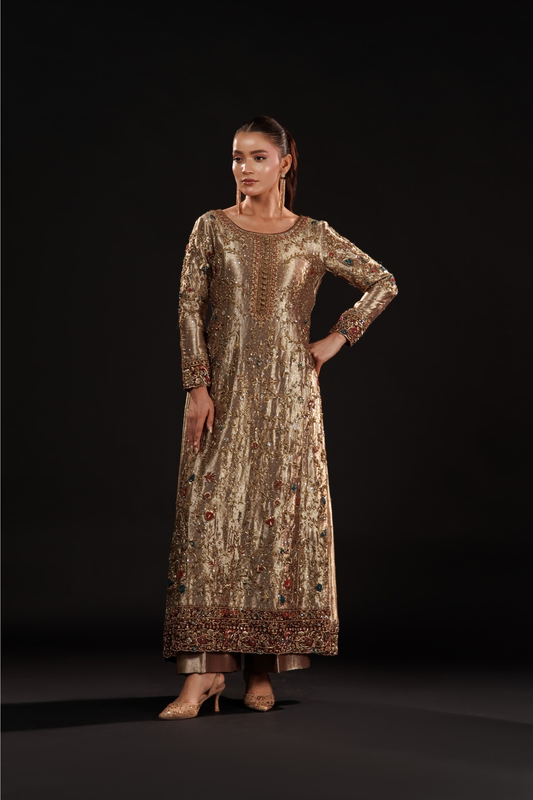
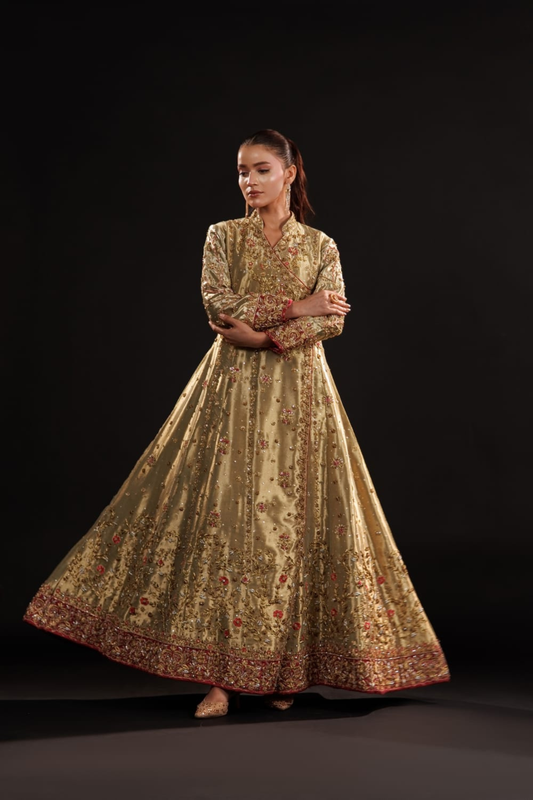
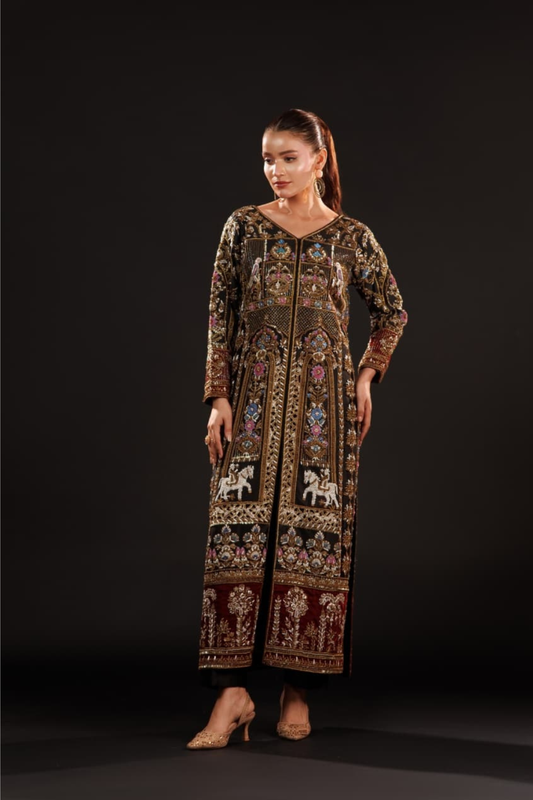
Incorporating varied textures can elevate your bridal gown from ordinary to extraordinary. Textures can convey emotions and themes, from the romantic allure of lace to the dreamy flow of chiffon. By strategically selecting fabrics with distinct textures, you can achieve a visually striking ensemble that resonates with your personal style and the theme of your wedding, making it a standout choice among modern bridal dresses.
Moreover, texture impacts the way your gown interacts with light, which can be vital for photography. A textured gown can catch and reflect light differently, highlighting intricate details and enhancing the overall visual narrative of your wedding photos. This makes understanding and choosing the right textures as important as selecting the gown's silhouette or color.

The Role of Textures in Enhancing Bridal Gowns
Textures serve as a silent yet powerful enhancer in bridal gowns, offering layers of complexity and sophistication. They can accentuate specific features of a dress, such as the bodice or skirt, creating focal points that draw the eye. This is particularly effective in gowns with simple silhouettes, where texture becomes the star of the show.
Consider how a gown's texture can influence its movement. Soft, flowy fabrics like tulle create an ethereal, airy effect, perfect for brides who envision themselves gliding down the aisle. On the other hand, structured textures like satin or mikado offer a more defined and polished look, ideal for traditional weddings or elegant formal dresses worn on special occasions.
Textures also allow for personalization, giving brides the opportunity to infuse their unique style into their wedding attire. Whether you favor the detailed intricacies of embroidered lace or the subtle sheen of crepe, textures let you express your individuality while enhancing the overall elegance of your gown.
Popular Textures in Bridal Fashion: Lace, Tulle, and More
When it comes to bridal fashion, certain textures have stood the test of time, becoming staples in the industry. Lace, for instance, is synonymous with romance and elegance, offering a timeless appeal that brides have cherished for generations. It can be used to create delicate overlays or intricate patterns, adding a touch of sophistication to any bridal gown.
Tulle is another popular choice, known for its lightweight and airy nature. It is often used in layers to create volume without adding weight, making it perfect for ball gowns and veils. Tulle adds a whimsical and dreamy quality to bridal attire, ideal for fairy-tale-themed weddings or outdoor ceremonies, and it can even complement traditional outfits like a saree for a soft, elegant touch.
Other textures such as organza, chiffon, and satin also play significant roles in bridal fashion. Organza is favored for its crisp finish and ability to hold shape, while chiffon is celebrated for its soft drape and gentle flow. Satin, with its smooth surface and subtle sheen, exudes luxury and is often chosen for more formal wedding gowns.
|
Texture |
Characteristics |
Ideal For |
|
Lace |
Romantic, intricate |
Vintage or classic themes |
|
Tulle |
Airy, lightweight |
Ball gowns, veils |
|
Organza |
Crisp, structured |
Formal attire |
|
Chiffon |
Soft, flowing |
Beach or garden weddings |
|
Satin |
Smooth, shiny |
Elegant, formal settings |
How to Mix Textures for a Cohesive Wedding Look
Mixing textures in bridal fashion requires a thoughtful approach to ensure a harmonious and cohesive look. The key is to balance different textures in a way that complements rather than competes. Start by selecting a dominant texture that aligns with your wedding theme and personal style, then incorporate secondary textures to add depth and interest.
Consider using contrasting textures to highlight specific gown features. For example, pairing a lace bodice with a satin skirt can create a striking contrast, emphasizing the delicate details of the lace while maintaining the gown's overall elegance. Similarly, a tulle overlay can soften the appearance of a structured dress, adding a layer of ethereal beauty.
When mixing textures, it's important to keep the overall aesthetic in mind. Ensure that the textures you choose work together to create a unified look. This might involve selecting fabrics in similar shades or ensuring that the textures complement the gown's silhouette. By paying attention to these details, you can achieve a balanced and cohesive bridal look.
Expert Tips for Combining Different Fabrics
Combining different fabrics in bridal fashion requires a nuanced understanding of how textures interact. Here are some expert tips to guide you in creating a stunning and cohesive wedding ensemble:

-
Start with a Focal Point: Choose one fabric to serve as the focal point of your gown. This could be an intricate lace bodice or a satin skirt. Use other fabrics to enhance and complement this primary texture.
-
Consider the Dress Silhouette: The silhouette of your gown can dictate which textures work best. For instance, a mermaid gown might benefit from a structured fabric like mikado, while an A-line dress pairs well with flowy chiffon.
-
Play with Patterns and Layers: Experiment with different patterns and layering techniques to add dimension. A lace overlay on a silk base can create a beautiful, multi-dimensional look that captures attention.
-
Mind the Details: Pay attention to smaller details, such as embellishments and trims. These can be used to tie different textures together, ensuring a seamless transition between fabrics.
-
Seek Professional Advice: Working with a bridal designer or stylist can provide invaluable insights into fabric combinations. They can offer suggestions based on your body type, wedding theme, and personal preferences.
By implementing these tips, you can confidently mix different fabrics, creating a bridal look that is both unique and cohesive.
Accessorizing with Textures: Veils, Shoes, and Jewelry
Accessorizing is an essential part of creating a cohesive bridal look, and textures play a key role in this process. When choosing accessories, consider how their textures will complement your gown and overall wedding theme.
Veils
Veils are a classic bridal accessory that can enhance the texture of your gown. A lace-edged veil can echo the lace details in your dress, creating a harmonious connection. Alternatively, a simple tulle veil can add a touch of softness and romance, balancing out more structured gown textures.
Shoes
Bridal shoes offer another opportunity to incorporate texture. Satin shoes can add a touch of luxury, while lace or beaded shoes can provide a hint of vintage charm. Consider the venue and wedding setting when selecting shoe textures to ensure both style and comfort.
Jewelry
Jewelry should also reflect the textures present in your gown. Delicate pearl earrings can pair beautifully with a lace dress, while bold statement pieces might complement a sleek satin gown. The key is to choose jewelry that enhances, rather than overwhelms, your bridal look.
By thoughtfully selecting your accessories, you can create a cohesive and polished wedding ensemble that highlights the beauty of texture.
The Impact of Seasonality on Texture Choices
Seasonality plays a significant role in determining the appropriate textures for bridal fashion. Different seasons call for distinct fabric choices to ensure comfort and style throughout your wedding day.
Spring and Summer
In warmer months, lighter fabrics like chiffon, organza, and tulle are ideal. These textures are breathable and offer a soft, airy feel, perfect for outdoor ceremonies or garden weddings. Opt for gowns with minimal layering to stay cool and comfortable.
Fall and Winter
For cooler seasons, heavier fabrics such as velvet, brocade, and satin are more suitable. These textures provide warmth and add a rich, luxurious feel to your bridal attire. Long sleeves and layered skirts can also enhance comfort without compromising style.
Transitional Seasons
During transitional seasons like spring and fall, a mix of textures can be advantageous. Combine lighter and heavier fabrics to accommodate fluctuating temperatures, ensuring you remain comfortable throughout the day.
By considering the season when selecting textures, you can ensure your bridal attire is both practical and stylish, catering to the specific demands of the weather.
Common Mistakes to Avoid When Mixing Textures
While mixing textures can elevate your bridal fashion, certain mistakes can detract from your overall look. Being aware of these pitfalls will help you make informed choices that enhance your wedding attire.
-
Overloading on Textures: Too many different textures can create a chaotic look. Choose a few complementary textures and stick to them to maintain balance and harmony.
-
Ignoring the Venue and Theme: Ensure your texture choices align with your wedding venue and theme. A heavily textured gown may not suit a casual beach wedding, while a minimalistic dress might look out of place in a grand ballroom setting.
-
Neglecting Comfort: While aesthetics are important, comfort should not be overlooked. Select textures that feel comfortable against your skin and allow for ease of movement throughout the day.
By avoiding these common mistakes, you can confidently mix textures, resulting in a bridal look that is both beautiful and cohesive.

Conclusion: Elevate Your Bridal Look with Thoughtful Texture Mixing
Incorporating various textures into your bridal attire is an art that requires careful consideration and planning. By understanding the role of textures, selecting complementary fabrics, and thoughtfully accessorizing, you can create a wedding look that is both stunning and memorable.
Remember, your bridal attire should reflect your personal style and enhance the theme of your wedding. By making informed texture choices, you can ensure your gown not only looks beautiful but also feels comfortable and authentic. Whether you opt for the timeless elegance of lace or the modern allure of satin, let your choice of textures tell your unique love story.