




Maximalism vs. Quiet Luxury: Which Trend Is Winning in 2026
In the world of design and fashion, two distinctive styles have emerged to capture the imagination: Maximalism and Quiet Luxury. These trends represent contrasting philosophies, each with its own appeal and aesthetic principles. Understanding these styles is crucial if you're exploring ways to express your personal taste or investing in a new look for your home or wardrobe.
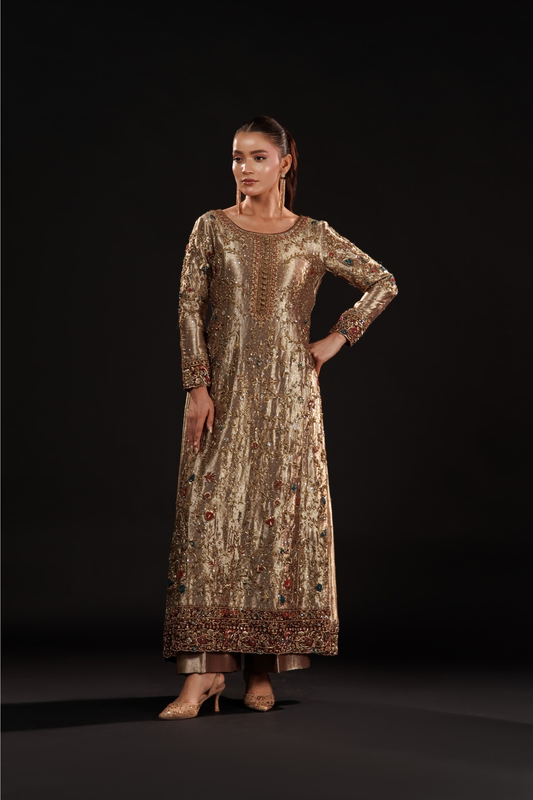
Maximalism is characterized by boldness and abundance. It's about embracing a "more is more" philosophy, where eclectic combinations and rich, vivid colors create a dynamic and sometimes overwhelming visual experience, much like the statement appeal of formal dresses at elegant occasions. In contrast, Quiet Luxury is about understated elegance and sophistication. It emphasizes quality over quantity and values subtlety, craftsmanship, and timelessness.
As these trends gain popularity, it's important to understand what they each represent and how they can be integrated into your lifestyle. Whether you lean towards the vibrant allure of Maximalism or the refined grace of Quiet Luxury, both styles offer unique opportunities to express individuality and taste.
The Origins and Evolution of Maximalism
Maximalism has a rich history, deeply rooted in the ornate styles of the Baroque and Rococo periods, where opulence and extravagance were celebrated. Over time, this style evolved, drawing influences from various art movements such as Art Deco, Pop Art, and even the vibrant aesthetics of the 1980s. Each wave of maximalism has added layers of complexity and richness to the style.
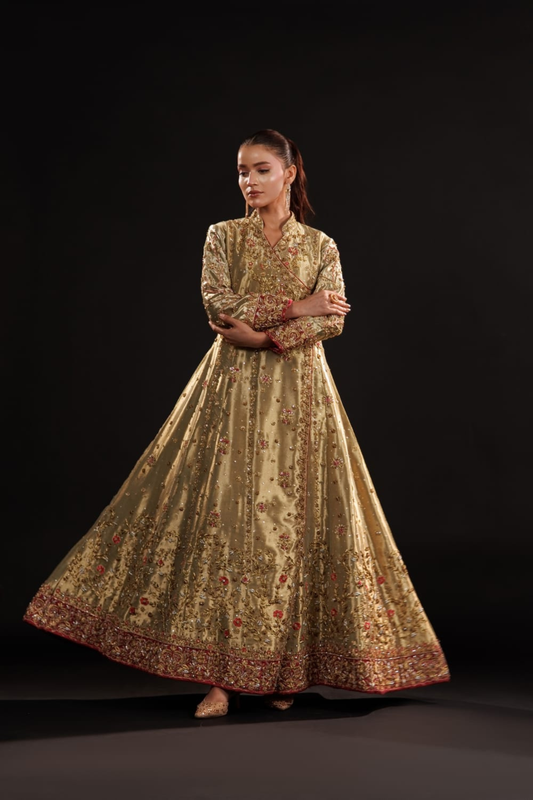
In contemporary settings, Maximalism has adapted to reflect modern sensibilities while retaining its core principles of abundance and diversity, much like how a bold party wear dress stands out in expressive personal style. This evolution has seen a fusion of cultures, patterns, and textures, creating spaces and designs that are both eclectic and deeply personal. The resurgence of Maximalism can be attributed to a desire to break free from minimalist constraints and embrace a more expressive approach to design.

Today, Maximalism continues to evolve, influenced by global aesthetics and personal narratives. It represents a dynamic and ever-changing style that celebrates individuality and creativity, allowing for a personalized expression of taste and identity.
The Rise of Quiet Luxury: What It Represents
Quiet Luxury emerged as a response to the loudness of maximalist tendencies and the fast-paced consumption of fashion and design. It represents a shift towards minimalism, but with an emphasis on luxury and craftsmanship. This trend values the quality and story behind each piece, focusing on timeless elegance rather than fleeting trends.
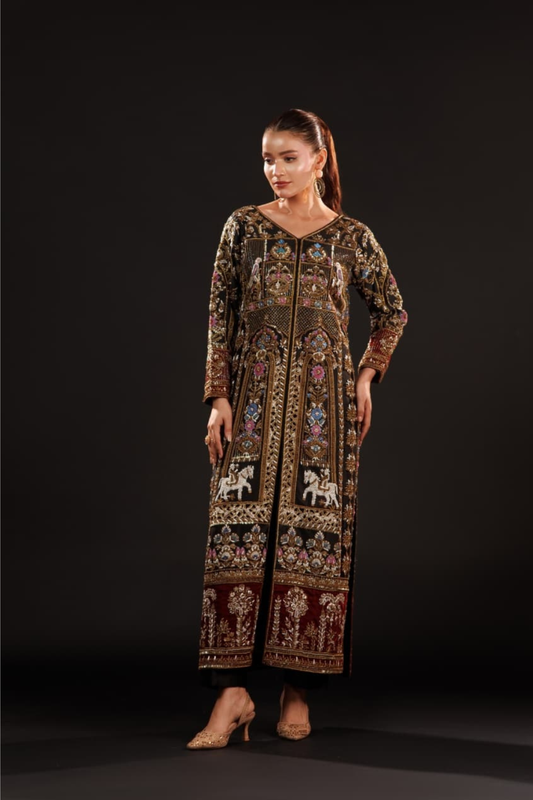
The rise of Quiet Luxury is also a reflection of changing consumer values. As people become more conscious of sustainability and ethical production, there is a growing appreciation for items that are made to last, both in terms of style and durability. This trend is about making thoughtful choices and investing in pieces that offer longevity and understated sophistication, such as elegant pakistani formal dresses that balance tradition with refined design.
Quiet Luxury is not just about aesthetics; it's a lifestyle choice that prioritizes function, quality, and subtle beauty. This approach to design and fashion resonates with those who appreciate the finer details and prefer to make a statement through simplicity and elegance rather than extravagance.
Key Characteristics of Maximalism
Maximalism is defined by its ability to embrace chaos and diversity, creating spaces that are full of color, life, and personality. Here are some key characteristics that define this vibrant style:
-
Eclectic Combinations: Maximalism thrives on mixing and matching different patterns, textures, and styles. It encourages experimentation and often results in unexpected yet harmonious designs.
-
Bold Colors and Patterns: This style is not afraid of color. Maximalism often features a kaleidoscope of hues and intricate patterns that draw the eye and create a lively ambiance.
-
Layered Textures: Textures play a crucial role in Maximalist design. From plush fabrics to intricate wallpapers, layering different textures adds depth and richness to any space.
Maximalism is about telling a story through design, where every piece has a purpose and contributes to a vibrant, cohesive whole. It's a celebration of individuality and creativity, offering a canvas for personal expression.
Key Characteristics of Quiet Luxury
Quiet Luxury, in contrast, focuses on subtlety and refinement. Its characteristics are rooted in quality, elegance, and a sense of timelessness:
-
Minimalist Aesthetic: This style favors clean lines and simple forms, creating an environment of calm and sophistication.
-
High-Quality Materials: Emphasis is placed on the use of premium materials such as fine leather, cashmere, and superior craftsmanship, ensuring longevity and enduring appeal.
-
Neutral and Muted Tones: Quiet Luxury often employs a palette of soft, neutral colors that exude tranquility and elegance, allowing the quality of materials and design to take center stage.
Quiet Luxury is about finding beauty in simplicity and making a statement through the quiet confidence of well-crafted pieces. It's a style that speaks to those who appreciate refinement and understated elegance.
Current Trends Influencing Both Styles
Both Maximalism and Quiet Luxury are being shaped by broader trends in design and consumer behavior. Understanding these influences can help you navigate these styles and make informed choices. For lifestyle-conscious consumers and sun readers, these evolving trends offer fresh inspiration for creating personalized spaces:
-
Sustainability: As awareness of environmental issues grows, both styles are increasingly incorporating sustainable practices. Maximalism is embracing upcycling and creative reuse, while Quiet Luxury focuses on ethical sourcing and durability.
-
Technology Integration: With the rise of smart homes and digital design tools, both styles are finding ways to integrate technology seamlessly, enhancing functionality without compromising aesthetics.
-
Cultural Influences: Globalization has brought a wealth of cultural influences to both styles. Maximalism celebrates this diversity with eclectic designs, while Quiet Luxury incorporates cultural elements in subtle, sophisticated ways.
These trends highlight how both Maximalism and Quiet Luxury are evolving to meet the demands of modern consumers, offering innovative solutions that align with contemporary values and lifestyles.
Maximalism vs. Quiet Luxury: A Comparative Analysis

When comparing Maximalism and Quiet Luxury, it becomes clear that each style offers distinct advantages and appeals to different sensibilities:
-
Expression vs. Subtlety: Maximalism is all about making a statement with bold, expressive designs, while Quiet Luxury values subtlety and understated elegance.
-
Complexity vs. Simplicity: Maximalism thrives on complexity and the layering of elements, whereas Quiet Luxury focuses on simplicity and the beauty of clean lines and high-quality materials.
-
Personalization vs. Timelessness: Maximalism allows for a high degree of personalization, reflecting individual tastes and stories. Quiet Luxury, on the other hand, emphasizes timeless appeal and classic designs that endure.
These differences illustrate how each style caters to different preferences, offering unique ways to express personality and taste.
Which Trend Appeals to Different Demographics?
The appeal of Maximalism and Quiet Luxury varies across different demographics, influenced by factors such as age, lifestyle, and cultural background. Brands often use social media video services to showcase these fashion trends to targeted audiences online.
-
Younger Generations: Millennials and Gen Z are often drawn to Maximalism for its vibrant expression and ability to incorporate diverse influences. This style aligns with their desire for individuality and creative freedom.
-
Professionals and Mature Audiences: Quiet Luxury tends to resonate with professionals and older demographics who value quality, craftsmanship, and a more refined aesthetic. Its timeless appeal suits those who appreciate elegance and sophistication.
-
Cultural Influences: Diverse cultural backgrounds can also influence preferences. Maximalism's eclectic nature appeals to those who enjoy incorporating various cultural elements, while Quiet Luxury's universal elegance attracts those who prefer a more global and timeless style.
Understanding these demographic tendencies can help you tailor your style choices to reflect your unique personality and lifestyle needs.
Predictions for 2026: What Experts Say
As we look towards 2026, experts predict that both Maximalism and Quiet Luxury will continue to evolve, influenced by technological advancements, environmental concerns, and shifting consumer values:
-
Hybrid Styles: The future may see a blend of both styles, with elements of Maximalism's boldness merging with the refined simplicity of Quiet Luxury, creating innovative and balanced designs.
-
Sustainability at the Forefront: With growing environmental awareness, sustainability will play an increasingly important role in shaping both trends. Expect to see more eco-friendly materials and practices integrated into design processes.
-
Personalization and Experience: As consumers seek more personalized experiences, both styles will offer unique ways to customize spaces and products, reflecting individual stories and values.
These predictions suggest a dynamic future for both styles, offering exciting opportunities for innovation and personal expression.
How to Incorporate Elements of Both Trends into Your Lifestyle

If you're intrigued by both Maximalism and Quiet Luxury, there are ways to incorporate elements of each into your lifestyle, creating a harmonious and personalized environment:
-
Mix and Match: Combine bold, colorful elements with understated, elegant pieces to create a balanced and dynamic look.
-
Focus on Quality: Whether embracing maximalist or minimalist tendencies, prioritize high-quality materials and craftsmanship to ensure durability and timeless appeal.
-
Personalize Your Space: Incorporate meaningful items and personal touches to reflect your unique taste and story, whether through eclectic designs or subtle elegance.
By thoughtfully blending these styles, you can create a space that reflects both your vibrant creativity and appreciation for quality and refinement.
Conclusion: The Future of Style in 2026
As we approach 2026, the dialogue between Maximalism and Quiet Luxury will continue to shape the landscape of design and fashion. Both styles offer unique pathways for expressing individuality, creativity, and sophistication, appealing to diverse preferences and lifestyles.