




The Connection Between Fashion and First Impressions
First impressions are formed in mere seconds, and they can have a lasting impact on how others perceive you. This initial judgment often influences personal and professional relationships, sometimes even before a word is spoken. Understanding the importance of first impressions is crucial, as they can open doors to new opportunities or, conversely, create barriers that are difficult to overcome.
Research indicates that these snap judgments are often based on visible cues, such as your attire, grooming, and body language. The clothes you wear, including well-chosen semi formal dresses in professional or business-casual settings, can significantly influence how others perceive your competence, confidence, and credibility. In a professional context, a polished appearance can suggest that you are capable and reliable, while a casual or unkempt look might convey the opposite.
Knowing the importance of these perceptions can empower you to make conscious choices about your wardrobe. By aligning your clothing with the image you wish to project, you can enhance the likelihood of making a favorable impression. This awareness can be particularly beneficial in scenarios such as job interviews, networking events, and social gatherings where making a strong impression is essential.
The Psychology of Fashion and Its Influence

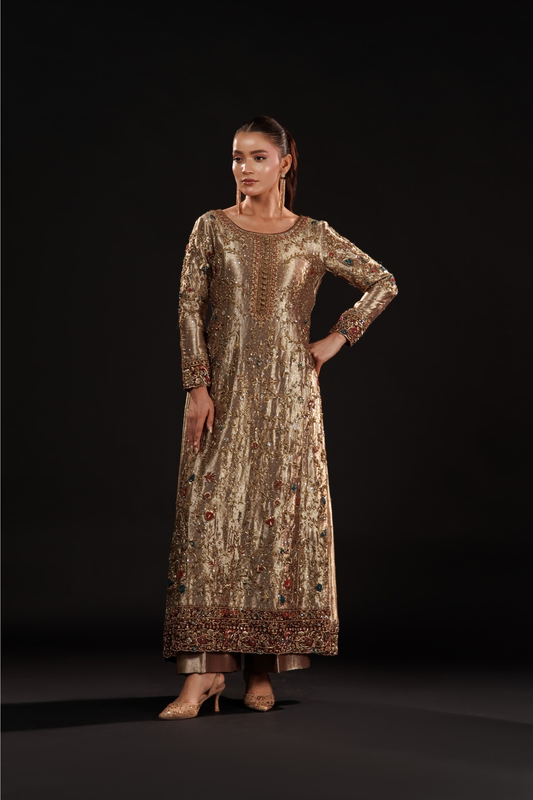
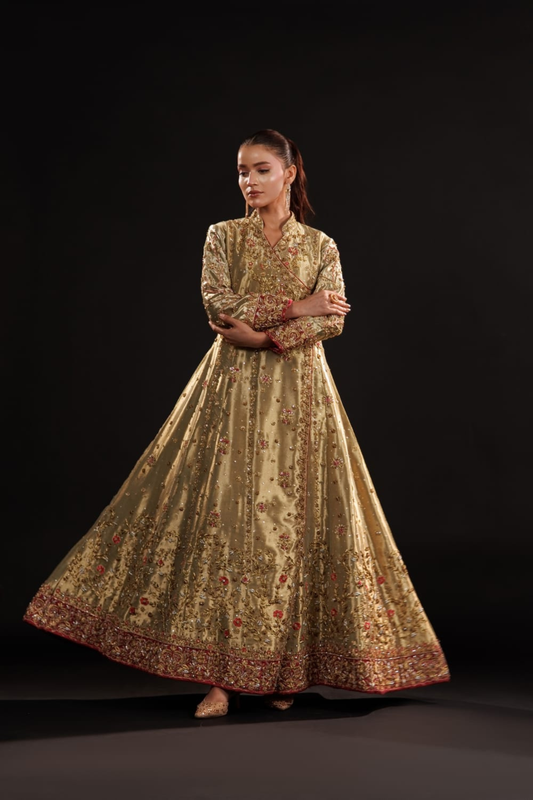
Fashion is not just about aesthetics; it's a powerful psychological tool that can communicate your personality, mood, and status to the world. The colors, styles, and fabrics you choose—including a striking fancy dress for a special event—can evoke specific emotional responses in others, shaping their perceptions of you. For instance, wearing red might convey confidence and power, while blue might suggest calmness and reliability.
The psychology of fashion is deeply rooted in cultural norms and personal experiences. What might be considered professional attire in one culture could be seen as informal in another. Therefore, it's important to be mindful of these differences, especially in multicultural or international settings. Understanding these nuances can help you tailor your wardrobe to suit different environments and audiences.
Moreover, your fashion choices can also influence your self-perception. Dressing in a way that aligns with your desired self-image—whether it's a tailored outfit, a modern ensemble, or a traditional saree—can boost your self-esteem and confidence. This internal reinforcement can positively affect how you carry yourself, further enhancing the impressions you make on others.
How Clothing Affects Perception in Professional Settings
In professional settings, your attire can significantly impact how colleagues, clients, and superiors perceive you. Dressing appropriately for your role and industry can demonstrate your understanding of workplace norms and your respect for the organization’s culture. This can enhance your credibility and increase your chances of career advancement.
Different industries have varying dress codes, ranging from formal to business casual. In more conservative fields like finance or law, a tailored suit might be essential, while creative industries might allow for more individual expression. Understanding these expectations can help you select outfits that are both appropriate and reflective of your personal style.
Additionally, paying attention to details such as fit, quality, and cleanliness is crucial. Clothes that fit well and are well-maintained suggest that you are detail-oriented and take pride in your appearance. These attributes can contribute to a positive professional image, making you more memorable and respected in the workplace.
The Role of Fashion in Personal Branding
Your personal brand is a combination of your skills, experiences, and how you present yourself to the world. Fashion plays a significant role in shaping this brand, serving as a visual representation of your identity and values. By carefully curating your wardrobe, you can create a cohesive and authentic image that resonates with your audience.
Consider the message you want to convey through your clothing choices. Are you aiming to be seen as innovative, approachable, or authoritative? Each of these traits can be reflected in different styles of dress. For example, an entrepreneur might wear bold, contemporary pieces to signal creativity and forward-thinking, while a consultant might opt for classic, tailored outfits to project reliability and expertise.
Consistency is key in personal branding. Ensuring that your wardrobe aligns with your professional goals and personal values can help solidify your brand identity. This alignment can enhance your visibility and influence, making it easier for others to understand and connect with you on both personal and professional levels.
Key Elements of a Powerful Wardrobe
Building a powerful wardrobe involves selecting pieces that not only look good but also serve a purpose. A well-curated wardrobe can make dressing for any occasion easier and more efficient, reducing stress and saving time. Here are some key elements to consider:
-
Versatility: Choose clothing that can be easily mixed and matched. Neutral colors and classic styles are great for creating multiple outfits from a few pieces.
-
Quality Over Quantity: Invest in high-quality items that will last longer and maintain their appearance. This is particularly important for staple pieces like suits, coats, and shoes.
-
Fit: Ensure that your clothes fit well and flatter your body shape. Well-fitting garments can enhance your appearance and boost your confidence.
-
Appropriate for the Occasion: Tailor your wardrobe to suit different settings, whether it's a business meeting, a casual outing, or a formal event.
-
Personal Touch: Incorporate pieces that reflect your personality and style. Accessories, color choices, and unique patterns can add a personal flair to your outfits.
By focusing on these elements, you can create a wardrobe that not only supports your personal brand but also empowers you to make a positive impression in any situation.

Fashion Mistakes to Avoid for Positive First Impressions
While fashion can be a powerful tool, certain mistakes can undermine the effectiveness of your wardrobe. Avoiding these common pitfalls can help you make a positive impression:
-
Overlooking Fit: Wearing clothes that are too tight or too loose can detract from your appearance. Ensure that your garments fit well and are comfortable.
-
Ignoring Dress Codes: Failing to adhere to the appropriate dress code for an occasion can suggest a lack of awareness or respect. Always consider the context and dress accordingly.
-
Neglecting Grooming: Even the best outfit can be overshadowed by poor grooming. Pay attention to details like hair, nails, and overall cleanliness.
-
Over accessorizing: While accessories can enhance an outfit, too many can be distracting. Choose a few statement pieces rather than overloading with multiple items.
-
Wearing Outdated Styles: Fashion is ever-evolving, and wearing outdated styles can make you appear out of touch. Regularly update your wardrobe to incorporate current trends while maintaining your personal style.
By being mindful of these mistakes, you can ensure that your fashion choices contribute positively to the impressions you make.
Dressing for Success: Tips for Different Occasions
Dressing appropriately for various occasions is essential for making a strong impression. Here are some tips to help you navigate different settings:
Business Meetings
-
Stick to classic colors like navy, black, and grey.
-
Opt for tailored suits or blazers paired with dress pants or skirts.
-
Keep accessories minimal and professional.
Casual Outings
-
Choose comfortable yet stylish clothing, such as jeans paired with a well-fitted top.
-
Incorporate casual footwear like loafers or sneakers.
-
Add a pop of color or pattern for a relaxed vibe.
Formal Events
-
Invest in a high-quality evening gown or tuxedo.
-
Select elegant accessories like a clutch or cufflinks.
-
Consider dress codes like "black tie" or "semi-formal" when planning your attire.
Adapting your wardrobe to suit different occasions can help you feel confident and comfortable, ensuring that you make the best possible impression.
The Impact of Accessories on First Impressions
Accessories play a crucial role in enhancing your outfit and expressing your personal style. They can add interest and individuality to even the simplest ensemble, making them a vital component of your wardrobe.
When selecting accessories, consider how they complement your clothing. Jewelry, watches, and ties can add a touch of elegance and sophistication, while scarves and hats can introduce color and texture. The key is to strike a balance, ensuring that your accessories enhance rather than overpower your outfit.
Moreover, accessories can also be functional. A stylish bag or briefcase can be both practical and fashionable, serving as an extension of your professional image. By thoughtfully incorporating accessories into your wardrobe, you can elevate your style and make a memorable impression.

Building a Versatile Wardrobe: Essential Pieces to Invest In
A versatile wardrobe is the foundation of great style, allowing you to create different looks with ease. Here are some essential pieces to consider investing in:
-
The Classic Blazer: A tailored blazer can be dressed up or down, making it a staple for both professional and casual settings.
-
The Little Black Dress or Suit: These timeless pieces are perfect for formal occasions and can be accessorized in numerous ways.
-
Quality Denim: A good pair of jeans is both comfortable and stylish, suitable for a variety of casual settings.
-
White Dress Shirt: This versatile piece can be paired with suits, skirts, or jeans for a polished look.
-
Comfortable Footwear: Invest in quality shoes that are both stylish and comfortable, such as loafers, pumps, or boots.
By focusing on these essentials, you can build a wardrobe that is both functional and fashionable, ready for any occasion.
Conclusion: Harnessing the Power of Fashion for Lasting Impressions
Fashion is a dynamic and influential tool that can significantly impact the impressions you make. By understanding the psychology of fashion, recognizing the importance of first impressions, and curating a wardrobe that reflects your personal brand, you can unlock the full potential of your attire.
Remember, the key to making a positive impression lies in authenticity and attention to detail. Whether you are dressing for a job interview, a networking event, or a casual outing, your clothing choices should align with your goals and values. By investing in quality pieces and avoiding common fashion mistakes, you can enhance your confidence and make a lasting impression.