




High vs. Low Contrast: Outfit Formulas for Your Natural Tonal Contrast
Outfit formulas are strategic combinations of garments that create visually pleasing and cohesive looks. They can be categorized into high contrast and low contrast based on the difference in brightness between the colors used. High contrast outfits involve pairing colors that are starkly different, such as black and white, which create a striking and bold appearance. In contrast, low contrast outfits use colors that are closer in tone, resulting in a more subtle and understated look.
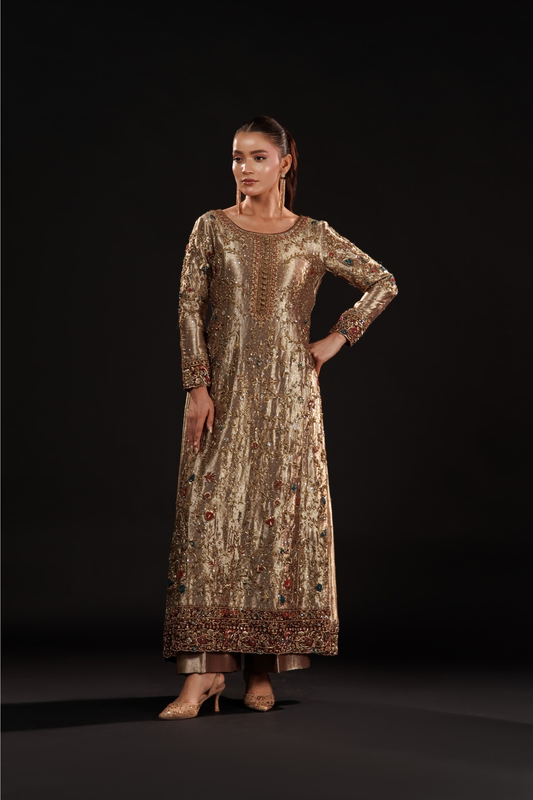
High contrast outfits can be particularly effective in settings where you want to make a strong impression. They are often associated with power dressing and can convey a sense of authority and confidence. For special occasions, a well-chosen fancy dress can also use striking color combinations to create a memorable look. Conversely, low contrast outfits are ideal for situations where a softer, more harmonious appearance is desired. They can evoke a sense of calm and sophistication, making them suitable for more relaxed or intimate environments.
Understanding these basics is crucial for creating outfits that not only look good but also align with your personal style and the occasion. Whether you gravitate towards high contrast or prefer the subtlety of low contrast, mastering these formulas will enhance your wardrobe versatility and elevate your fashion game.
The Importance of Natural Tonal Contrast in Fashion
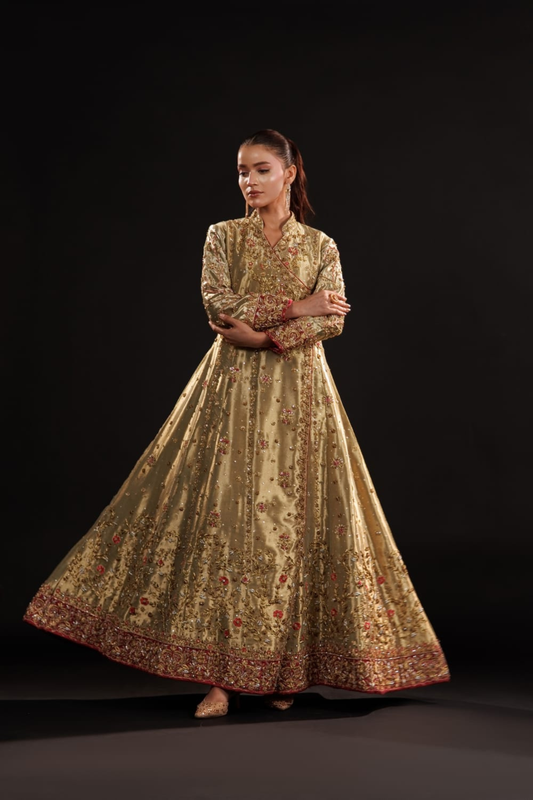
Natural tonal contrast refers to the inherent difference in color value between your skin, hair, and eyes. Recognizing your natural tonal contrast is pivotal in choosing clothing colors that complement your features, creating a balanced and harmonious look. This is especially useful when selecting statement pieces such as bridal dresses, where the right colors and tones can enhance your overall appearance. Ignoring this aspect can lead to outfits that overpower or wash out your natural beauty.

For individuals with high natural tonal contrast, vibrant and contrasting colors tend to enhance their features. Think of someone with dark hair and fair skin; high contrast outfits can emphasize their striking appearance. On the other hand, those with low natural tonal contrast, such as someone with light hair and fair skin, often benefit from softer, more blended color schemes that harmonize with their natural palette.
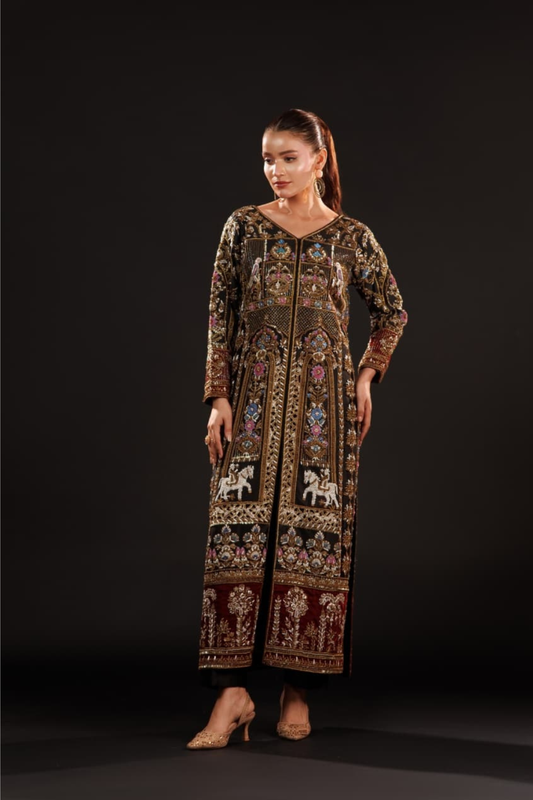
Understanding your natural tonal contrast helps you make informed choices about your wardrobe. It guides you in selecting colors and styles that not only flatter your appearance but also express your personality. For example, when styling a saree, choosing shades that complement your natural contrast can create a more balanced and harmonious look. By aligning your outfit formulas with your natural contrast, you ensure that the clothes you wear enhance, rather than compete with, your features.
How to Identify Your Natural Tonal Contrast
Identifying your natural tonal contrast is a straightforward process that involves analyzing the color value differences between your hair, skin, and eyes. Start by observing the color intensity and shade of these elements.
-
High Contrast: If you have dark hair and light skin, or vice versa, you likely fall into the high contrast category. Your features naturally stand out from one another, allowing you to wear bold and vivid colors with ease.
-
Medium Contrast: Those with a moderate difference between their hair, skin, and eye colors possess medium contrast. You have more flexibility in choosing between high and low contrast outfits, as both can complement your features.
-
Low Contrast: Individuals with similar tones in their hair, skin, and eyes, such as blonde hair with fair skin, are classified as low contrast. Your features blend together, and softer colors may enhance your natural appearance.
To determine your contrast level, take photos of yourself in natural lighting and compare them to a grayscale image of yourself. This can help you see the differences in light and dark more clearly. Understanding your natural tonal contrast will empower you to choose outfit formulas that align with your unique features.
High Contrast Outfit Formulas: Key Elements and Combinations
High contrast outfits are characterized by the pairing of distinctly different colors that create a bold visual impact. These combinations can exude confidence and assertiveness, making them ideal for professional settings or social events where you want to stand out.

Key Elements of High Contrast Outfits:
-
Color Pairing: Black and white is the quintessential high contrast pairing, but other combinations like navy and cream, or red and blue, can also be effective.
-
Patterns and Prints: Stripes, polka dots, and geometric patterns enhance the contrast by adding visual interest and structure to your outfit.
-
Accessories: Incorporating contrasting accessories, such as a bright belt or statement jewelry, can further emphasize the high contrast theme.
High Contrast Outfit Combinations:
-
Classic Black and White: Combine a white blouse with a black pencil skirt and black heels for a timeless, high contrast look.
-
Navy and Cream: Pair a navy suit with a cream blouse and tan leather accessories for a sophisticated ensemble.
-
Red and Black: Opt for a bold red dress with black pumps and a black clutch for a striking evening look.
These combinations not only highlight your natural tonal contrast but also create outfits that are attention-grabbing and memorable.
Low Contrast Outfit Formulas: Key Elements and Combinations
Low contrast outfits utilize colors that are closer in tone to create a seamless and cohesive appearance. These combinations are perfect for achieving a soft, elegant look that is ideal for casual outings or professional settings where a more understated presence is desired.
Key Elements of Low Contrast Outfits:
-
Color Harmony: Choose colors that are within the same color family or have a similar hue, such as pastels or earth tones.
-
Texture and Layering: Incorporate different textures and layers to add depth to your outfit without relying on bold color differences.
-
Monochrome Accessories: Opt for accessories in similar shades to maintain the low contrast theme.
Low Contrast Outfit Combinations:
-
Pastel Ensemble: Combine a mint green blouse with a light pink skirt and nude shoes for a soft, feminine look.
-
Earth Tone Harmony: Pair a beige sweater with olive green trousers and brown leather loafers for a relaxed yet polished outfit.
-
Monochrome Magic: Wear varying shades of gray, such as a charcoal blazer with a light gray shirt and slate gray pants, for a chic monochrome look.
These low contrast combinations create a harmonious and polished appearance that can complement your natural features without overpowering them.
Adjusting Your Outfit Formulas for Different Occasions
Flexibility in your wardrobe is essential for adapting to various social, professional, and casual settings. Adjusting your outfit formulas to suit different occasions ensures that you are always appropriately dressed and confident in your appearance.
Professional Settings:
For business environments, high contrast outfits can convey authority and professionalism. Opt for structured pieces like blazers and pencil skirts in contrasting colors. However, if your workplace leans towards a more casual dress code, low contrast outfits with subtle patterns or textures can maintain a polished yet approachable look.
Social Events:
In social settings, consider the vibe of the event. High contrast combinations are great for evening events or parties where you want to make an impact. For daytime gatherings, low contrast outfits with light, airy fabrics can create a relaxed and friendly appearance.
Casual Outings:
For everyday activities, balance is key. A mix of high and low contrast elements can create a versatile and comfortable look. For example, pair a high contrast top with low contrast bottoms to achieve a stylish yet effortless outfit.
By adjusting your outfit formulas to match the occasion, you ensure that your appearance is always appropriate and enhances the impression you wish to make.
Accessorizing to Enhance Your Outfit Contrast
Accessories play a crucial role in enhancing or balancing the contrast in your outfits. The right accessories can elevate your ensemble and draw attention to specific elements, adding depth and interest to your look.

Tips for Accessorizing with High Contrast Outfits:
-
Bold Jewelry: Use statement pieces like chunky necklaces or oversized earrings to amplify the high contrast theme.
-
Contrasting Footwear: Opt for shoes in a different color than your outfit to create a striking focal point.
-
Colorful Scarves or Belts: Introduce an additional contrasting element with a vibrant scarf or belt that stands out against your clothing.
Tips for Accessorizing with Low Contrast Outfits:
-
Subtle Jewelry: Choose delicate jewelry that complements the softer tones of your outfit without overwhelming it.
-
Tone-on-Tone Bags: Select handbags that blend with your outfit to maintain a cohesive look.
-
Textured Accessories: Incorporate accessories with interesting textures, like a suede purse or woven belt, to add depth without relying on color contrast.
By thoughtfully selecting accessories, you can enhance the overall impact of your outfit and ensure that your personal style shines through.
Common Mistakes to Avoid with Outfit Formulas
While mastering outfit formulas can significantly enhance your style, there are common pitfalls to be aware of. Avoiding these mistakes will help you create looks that are consistently flattering and harmonious.
Mistakes to Avoid:
-
Ignoring Natural Tonal Contrast: Overlooking your natural contrast can result in outfits that either wash you out or are too overpowering.
-
Over-accessorizing: Adding too many accessories can detract from the overall cohesiveness of your outfit. Focus on a few key pieces that enhance your look.
-
Mismatch Between Occasion and Outfit: Wearing a high contrast outfit in a setting that calls for subtlety, or vice versa, can lead to an inappropriate appearance.
By being mindful of these potential missteps, you can ensure that your outfit formulas are always on point and reflect your personal style.
Conclusion: Finding Your Perfect Balance in Outfit Formulas
Mastering outfit formulas is a journey of understanding and experimentation. By recognizing your natural tonal contrast and adjusting your wardrobe choices accordingly, you can create looks that flatter your appearance and suit any occasion. Whether you lean towards high contrast or prefer the subtlety of low contrast, the key is to find a balance that aligns with your personal style and enhances your natural features.
Remember, fashion is an evolving expression of who you are. Continue to explore and refine your outfit formulas, and don't hesitate to try new combinations that challenge your style boundaries. With practice and an eye for detail, you'll develop a wardrobe that not only looks great but also feels uniquely yours.