




Ready-to-Wear vs Custom Wear: Which Saves More Money Long-Term?
Understanding Ready-to-Wear and Custom Wear
When building a wardrobe, two main options are ready-to-wear and custom wear. Ready-to-wear garments are pre-made in standard sizes, widely available, and convenient for quick wardrobe updates. They offer style and accessibility but may not always provide the perfect fit or reflect your unique preferences.
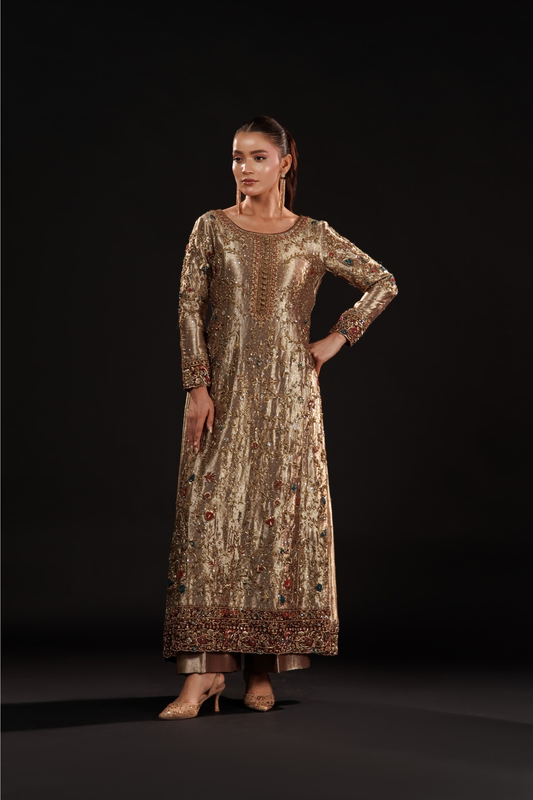
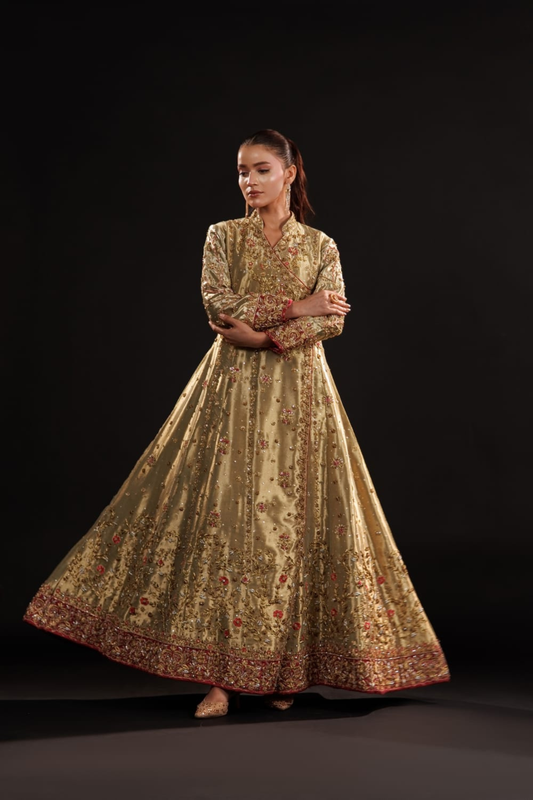
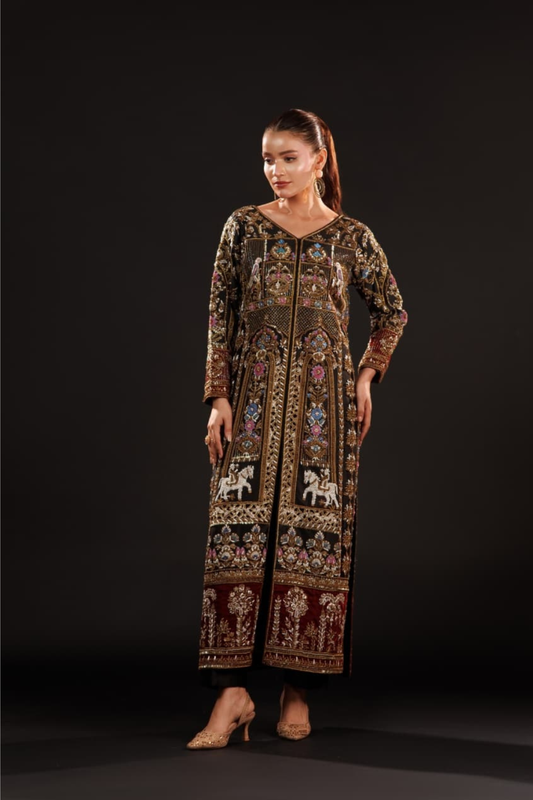
Custom wear, on the other hand, is tailored specifically for you, whether it’s everyday attire or party wear. It ensures a flawless fit and allows you to collaborate with a designer or tailor to create pieces that match your personal style. This approach may take more time and investment but results in garments that truly reflect your individuality.
By understanding the differences between ready-to-wear and custom wear, you can make informed choices that balance convenience, fit, and personal expression, building a wardrobe that works for both everyday needs and special occasions.

The Cost Breakdown of Ready-to-Wear Clothing
Ready-to-wear clothing is generally more affordable upfront, making it a popular choice for everyday and semi-formal occasions, as mass production allows retailers to offer lower prices than custom-made garments. Costs can vary, however, depending on the brand, fabric quality, and design complexity.
While the initial price may seem attractive, additional expenses often arise. Many garments require alterations for a better fit, and cheaper materials may wear out faster, necessitating replacements. These hidden costs can add up over time, reducing the overall savings.
By weighing both the upfront cost and potential extra expenses, you can make informed decisions about ready-to-wear clothing, whether you’re selecting everyday outfits or a fancy dress, ensuring that your purchases balance style, convenience, and long-term value.
Analyzing the Expenses of Custom Wear
Custom wear generally involves higher upfront costs because each garment is tailored specifically for you, using high-quality materials and skilled craftsmanship. These pieces are designed to fit perfectly and reflect your personal style, which adds to their initial price.
However, the long-term benefits often outweigh the higher cost. Custom garments are more durable, reducing the need for frequent replacements, and their classic designs tend to stay in style longer. Additionally, because they are made to your measurements, costly alterations are rarely needed.
Considering these factors, custom wear can be a smart investment for those seeking a wardrobe that balances quality, fit, and lasting value, just as choosing the right bifocal sunglasses is an investment in long-term eye comfort and style.
Quality Comparison: Ready-to-Wear vs Custom Wear
Quality is an important factor when deciding between ready-to-wear and custom wear. Ready-to-wear garments are mass-produced, which can sometimes affect durability and craftsmanship. While they are practical and easily accessible, the finish and fit may not always meet the highest standards.
Custom wear, on the other hand, is created with meticulous attention to detail. Every seam, stitch, and fabric choice is carefully selected, ensuring superior fit, finish, and long-lasting quality. These garments often outlast ready-to-wear pieces and require fewer repairs or replacements, making them a valuable investment for those seeking both elegance and longevity.

Longevity and Durability: Which Option Lasts Longer?
The longevity and durability of a garment are crucial factors to consider when deciding between ready-to-wear and custom wear. Ready-to-wear items, though convenient, may not always stand the test of time. The materials and construction methods used are often geared towards reducing production costs, which can compromise the garment's durability.
Custom wear, on the other hand, is designed with longevity in mind. The bespoke approach ensures that high-quality materials and construction techniques are employed, resulting in garments that can withstand regular use while retaining their appearance and functionality. This durability translates to fewer replacements, offering significant long-term savings.
When evaluating the cost-effectiveness of your wardrobe investments, consider the lifespan of each garment. Custom wear may require a higher initial investment, but its durability can lead to a more sustainable wardrobe and reduced expenditure over time.
Hidden Costs Associated with Ready-to-Wear
Ready-to-wear clothing may seem cost-effective at first, but several hidden costs can add up over time. Off-the-rack garments are made to fit a range of body types, often requiring alterations for a better fit, which increases the total expense.
Additionally, these items may use lower-quality fabrics or construction, leading to faster wear and the need for frequent replacements. The time and effort spent searching for the right size, style, and fit, while trying on multiple options, also adds to the hidden costs. Considering these factors helps you understand the true value of ready-to-wear clothing and make more informed wardrobe decisions.
Long-Term Savings: Making the Right Investment
Investing wisely in your wardrobe can lead to significant long-term savings, and understanding the cost dynamics of ready-to-wear versus custom wear is essential. While ready-to-wear items offer immediate affordability, the cumulative costs of alterations, replacements, and time spent can exceed the initial savings.
Custom wear, with its emphasis on quality and longevity, presents a compelling case for long-term savings. The durability and timelessness of custom pieces mean you will likely need to replace them less frequently, reducing your overall expenditure on clothing. Additionally, the perfect fit and personalized design of custom wear can increase your satisfaction and confidence, making each piece more valuable.
To make the right investment, consider your lifestyle, budget, and long-term goals. Balancing the initial costs with the potential savings and benefits of each option will help you build a wardrobe that is both financially and personally rewarding.
When to Choose Ready-to-Wear and When to Opt for Custom
Deciding between ready-to-wear and custom wear depends on factors such as budget, time, and your specific clothing needs. Ready-to-wear is ideal for those who prioritize convenience and want immediate wardrobe updates, making it suitable for everyday or casual attire.
Custom wear, on the other hand, is the better option for special occasions or when you want garments that reflect your unique style and provide a superior fit. It is particularly useful if you have specific design preferences or require clothing tailored to unique body measurements.
Understanding the benefits and limitations of each option allows you to make informed wardrobe decisions. Combining ready-to-wear for convenience with custom pieces for special occasions can help create a versatile and well-rounded wardrobe.

Conclusion
The decision between ready-to-wear and custom wear requires considering factors such as cost, quality, personalization, and longevity. Ready-to-wear offers convenience and affordability, while custom wear provides unique personalization and long-term value through superior fit and durable materials.
By understanding the true costs and benefits of each option, you can make informed wardrobe choices that align with your personal style and financial goals. Thoughtful investment in your clothing ensures both satisfaction and lasting value.